Learn how to set up tools like PostHog, ClickFunnels, WordPress, and Shopify in a way that actually matches your business model, fixes broken attribution, and surfaces opportunities for profit.
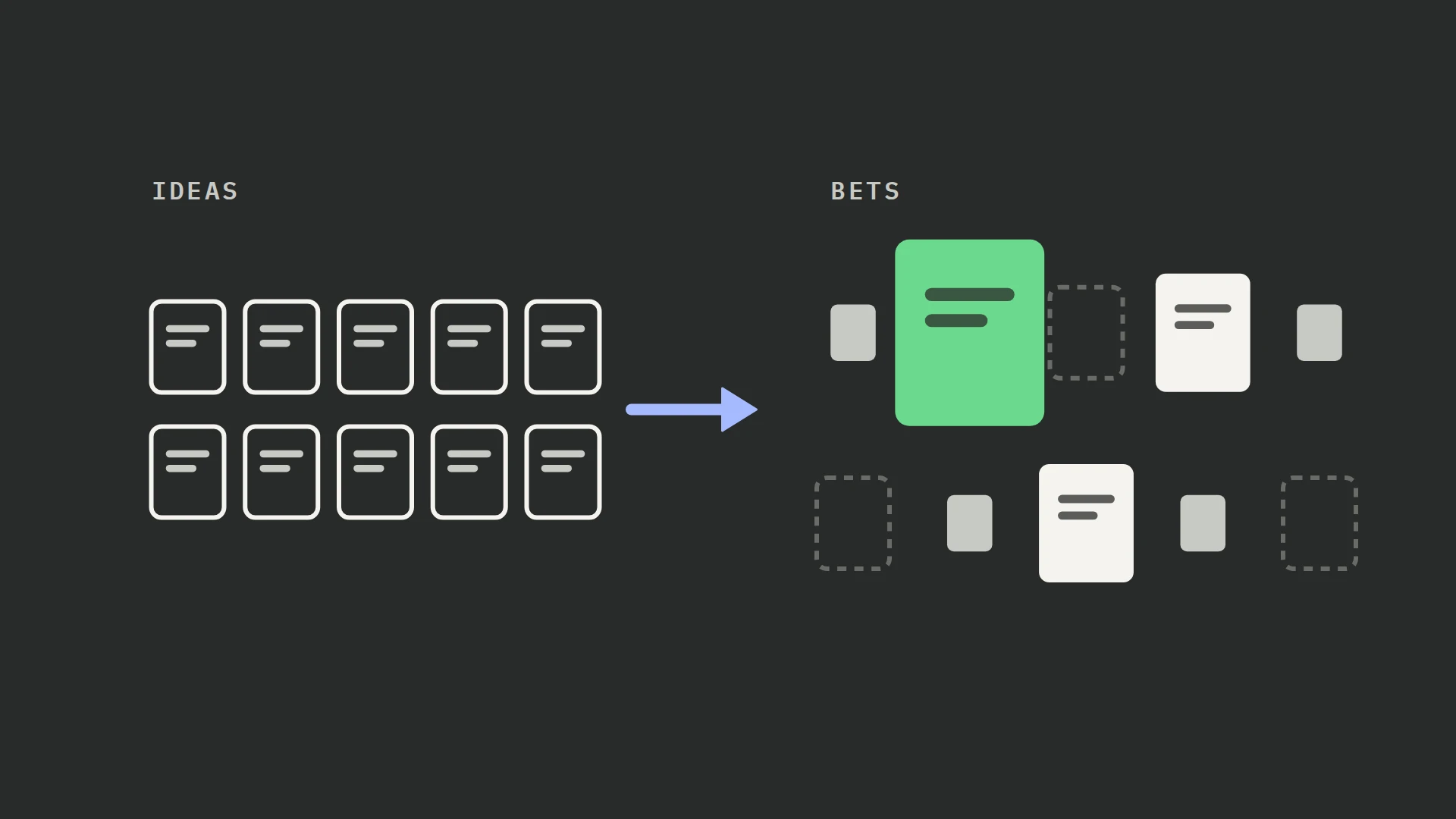
Business experimentation is more than choosing a winning page. It reveals which customer problems deserve investment, which ideas should stop, and where to commit resources with evidence.
The best A/B testing metric is usually the measurable outcome closest to incremental contribution per eligible visitor, user, or account. This guide separates true decision metrics, operational primaries, leading indicators, guardrails, and diagnostics—then maps ecommerce, subscription, pricing, lead-generation, marketplace, and cost-changing experiments to the metrics that should actually determine the winner.
A tested one-time redesign can be rational when the current experience needs a structural reset. Ongoing A/B testing creates more long-term value when each experiment produces both deployed impact and reusable customer learning. This framework shows how to choose—and why one hypothesis does not mean changing only one UI element.
A CRO agency should be judged by the complete evidence chain it creates: trustworthy measurement, explicit hypotheses, valid experiments, verified deployments, and cumulative improvement to a meaningful business outcome. Win rate, test count, and isolated uplift are useful diagnostics, but they do not prove realized business value.
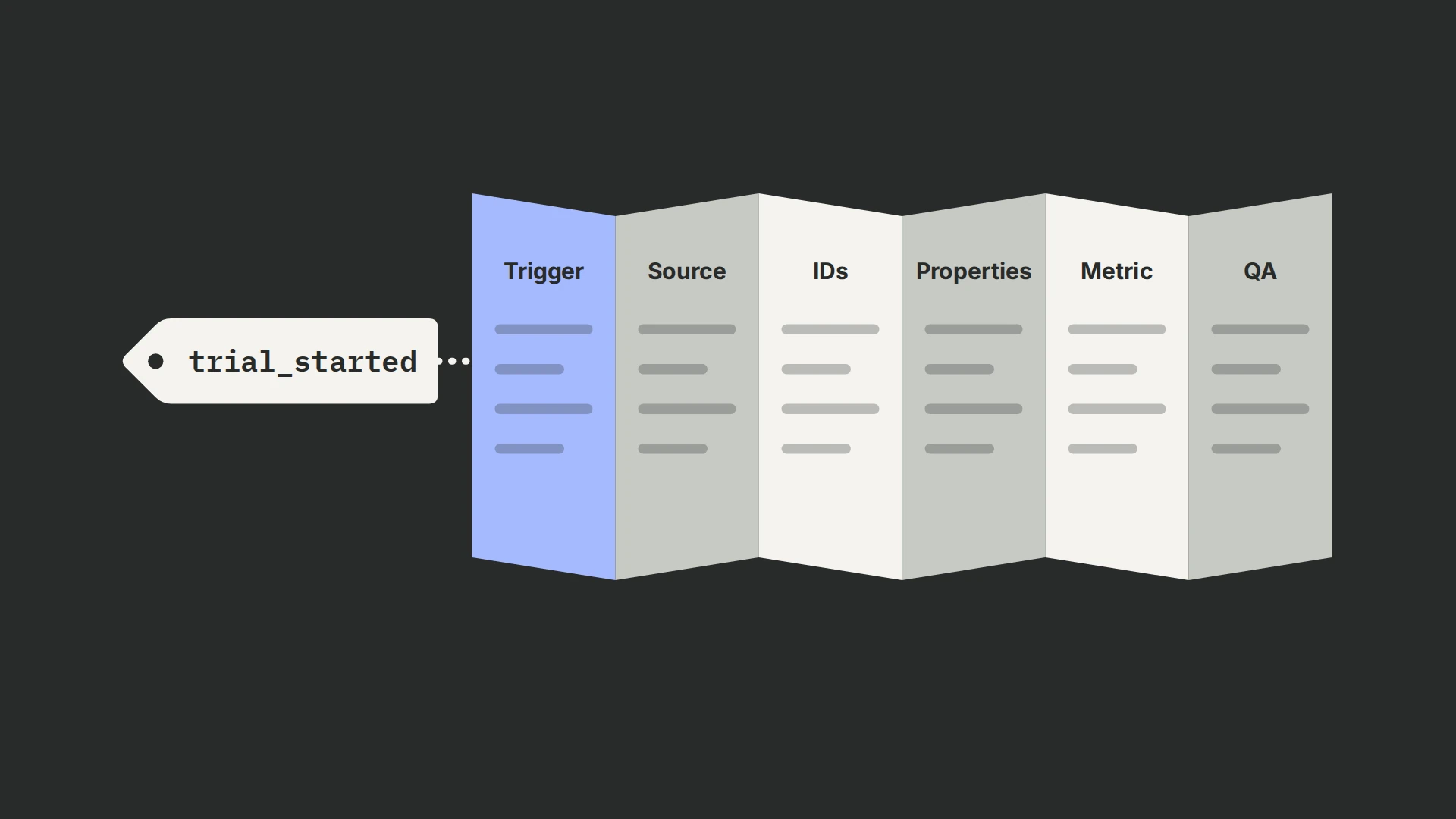
An event tracking plan is not an event-name spreadsheet. It is the contract that defines how business questions become entities, events, trigger rules, properties, identities, revenue facts, metrics, QA, and governed analytics data. This guide includes a complete paid-subscription example and downloadable Excel template.
An A/B result is only as trustworthy as the system that produced it. This audit framework examines eligibility, assignment, bucketing, identity persistence, exposure, sample-ratio mismatch, metric definitions, conversion windows, and statistical analysis. It also introduces the Zero Experiment: a production A/A calibration test designed to reveal whether the system creates lift where no treatment exists.
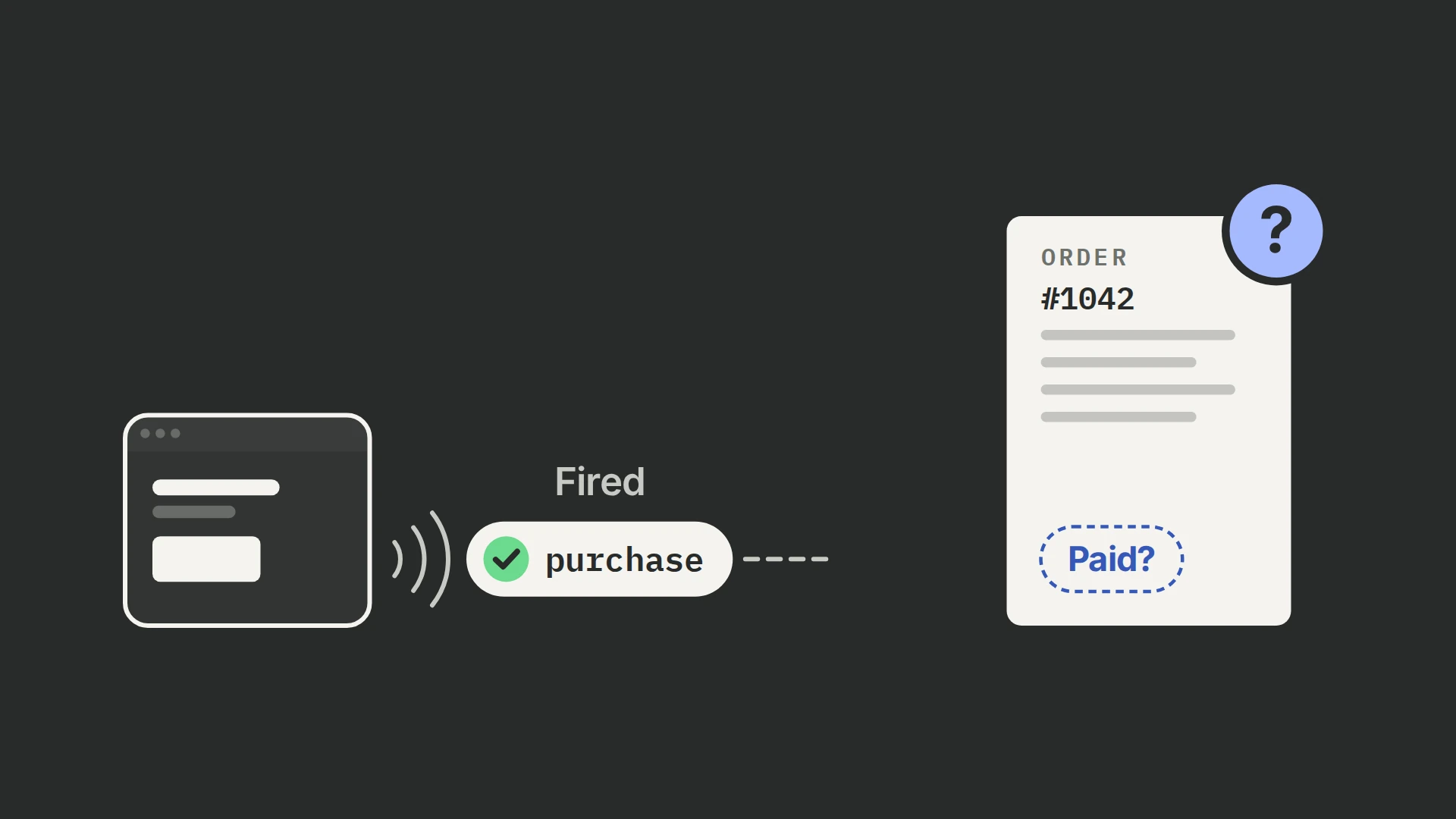
A conversion tracking audit should prove more than whether a tag fires. It should verify event meaning, duplicates, identity, cross-domain continuity, attribution, consent behavior, and reconciliation with orders, payments, CRM records, and advertising platforms. This framework shows what to inspect before funnel data is used for optimization.
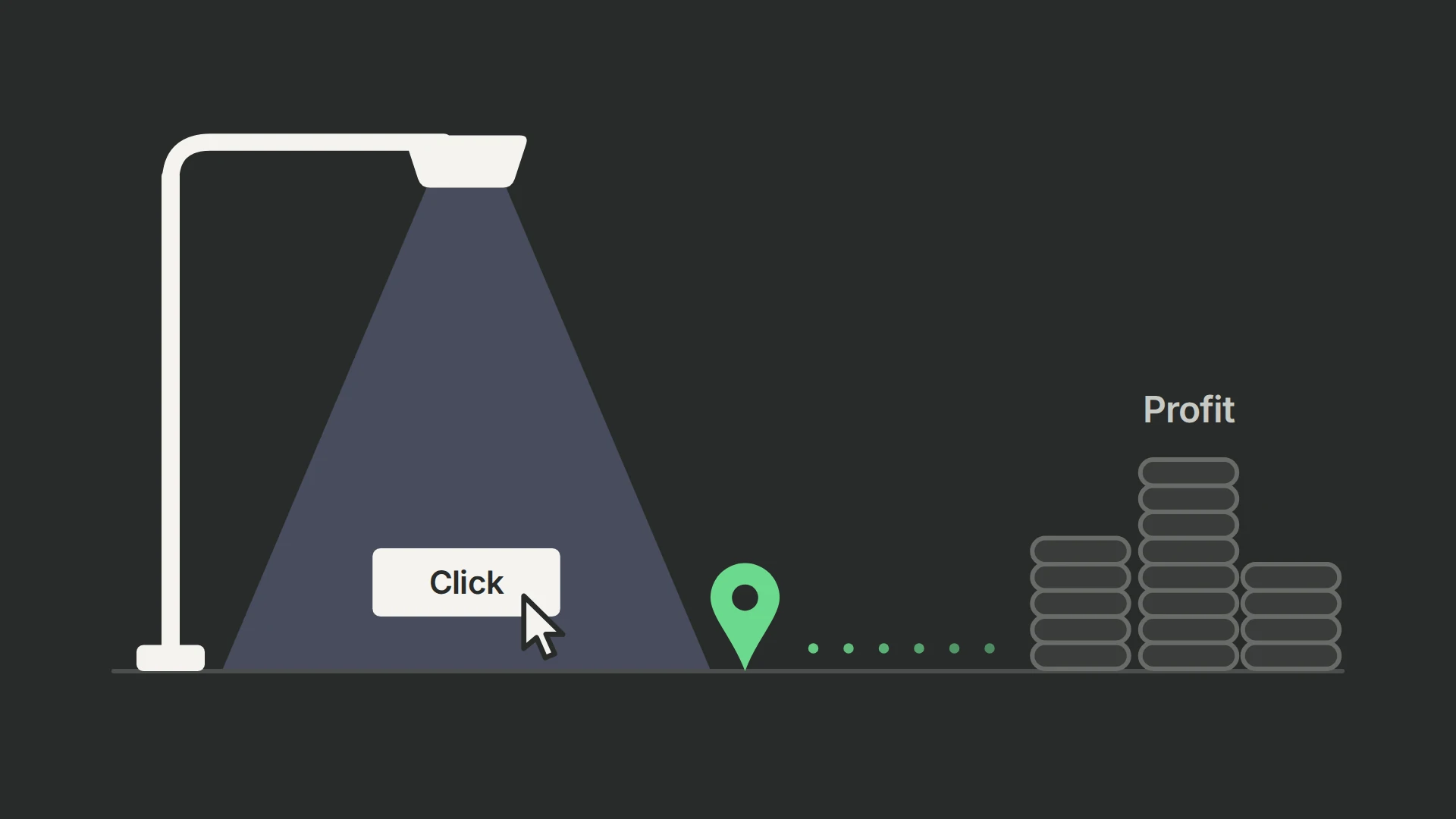
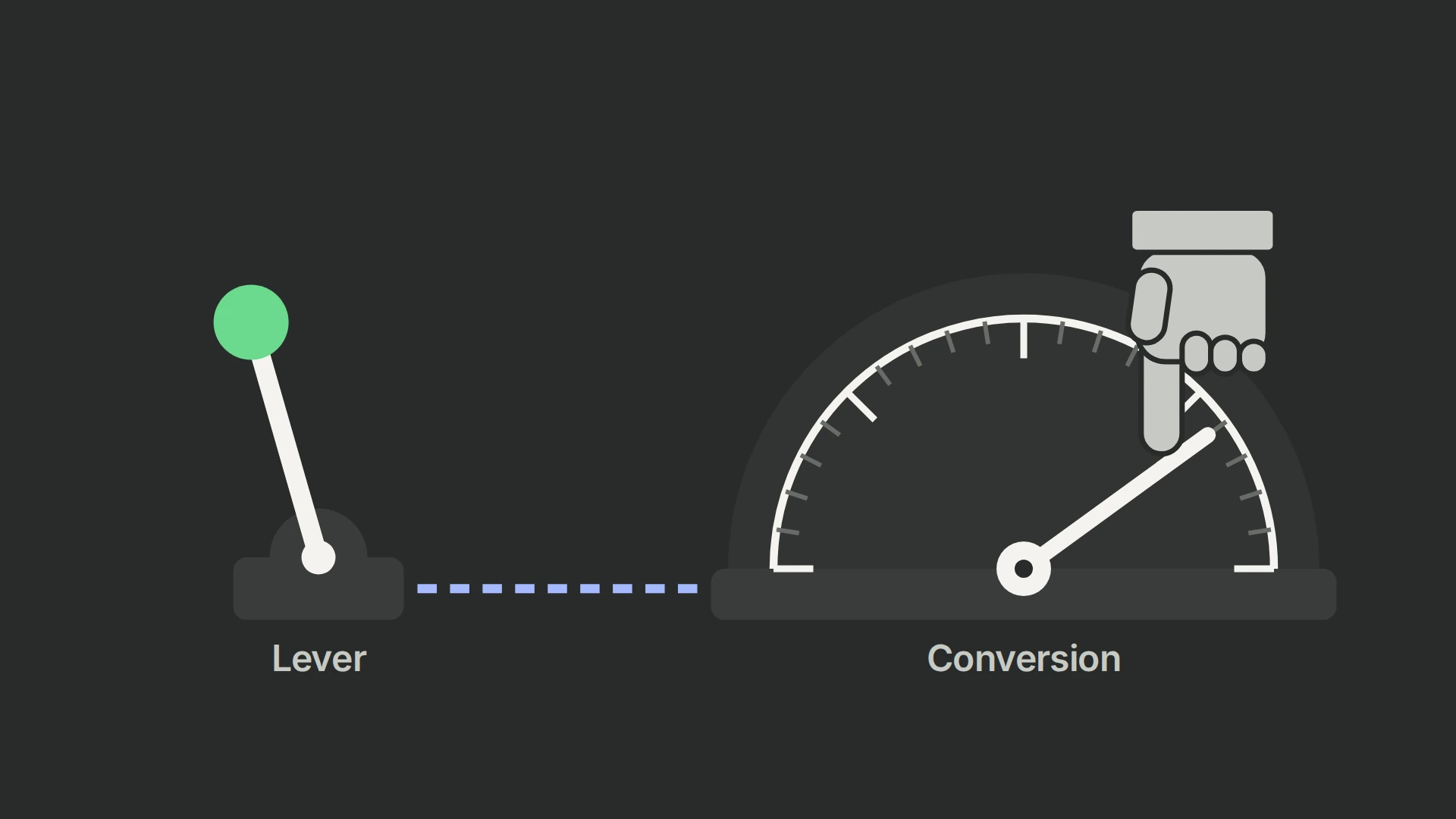
Growth Lever Analytics is a decision process for finding the controllable variable worth acting on, building the measurement needed to trust the decision, and validating the intervention through experimentation. It connects business economics, analytics, and causal evidence so that data ends in a ranked action rather than another dashboard.
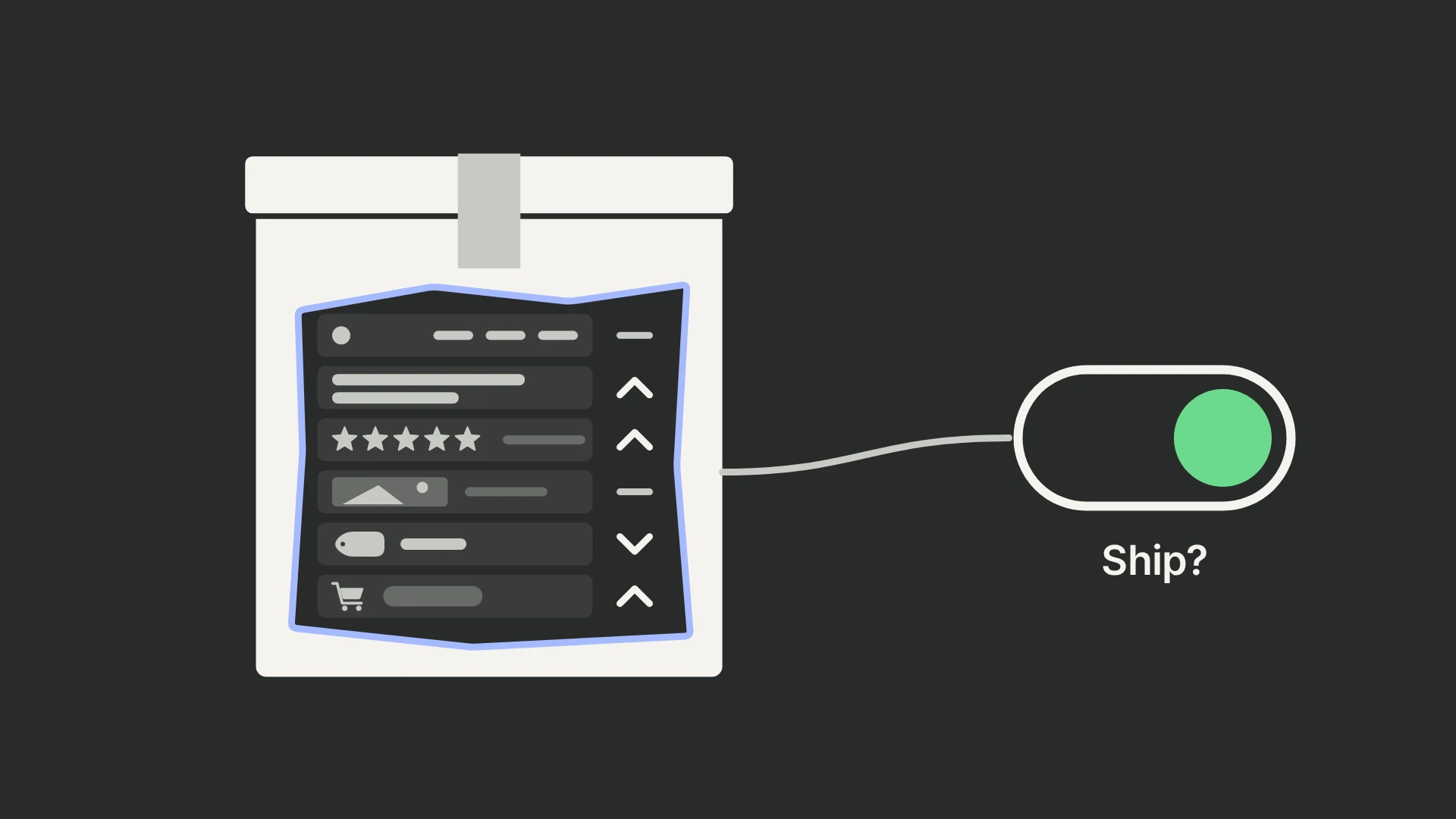
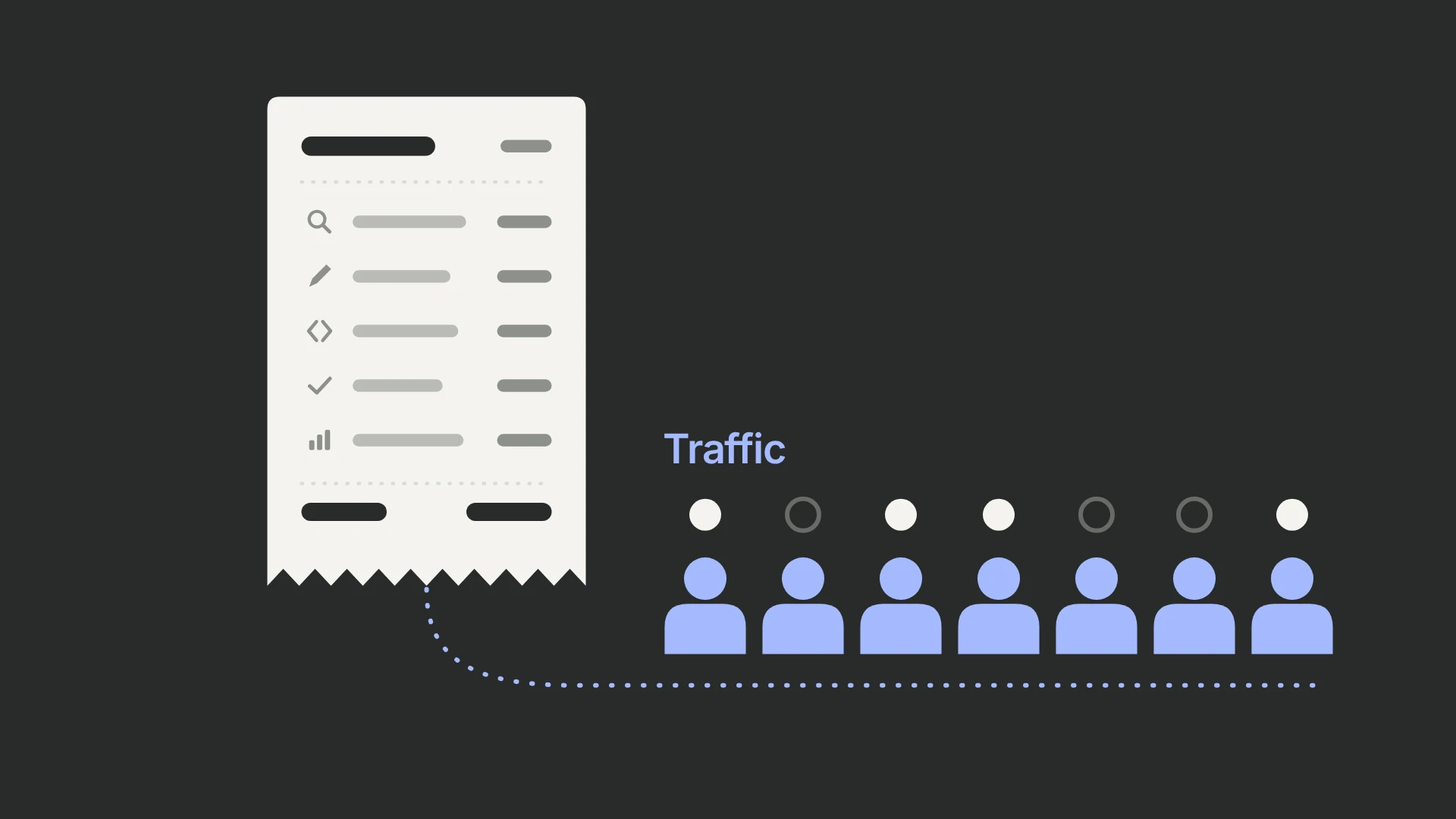
A/B testing costs more than production: an underperforming variation consumes conversions while it receives traffic. Measure that downside against Control and set a pre-agreed loss budget.