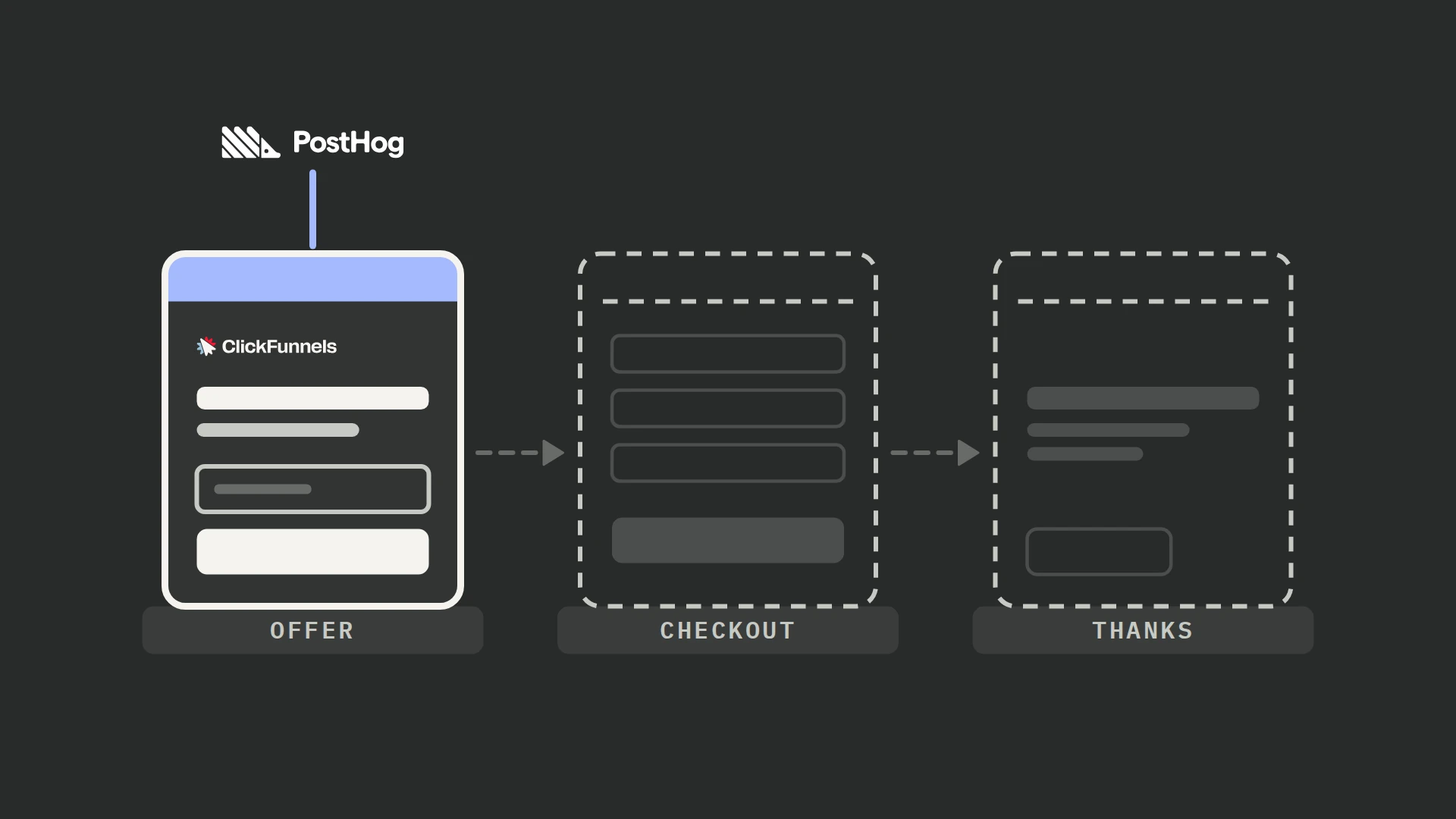
How to Install PostHog on ClickFunnels (2.0 and Classic)
Check every funnel step with one snippet per page. A checkout on another domain you run needs a visitor-ID handoff, and payments need server confirmation.
Read moreLearn how to set up tools like PostHog, ClickFunnels, WordPress, and Shopify in a way that actually matches your business model, fixes broken attribution, and surfaces opportunities for profit.
Check every funnel step with one snippet per page. A checkout on another domain you run needs a visitor-ID handoff, and payments need server confirmation.
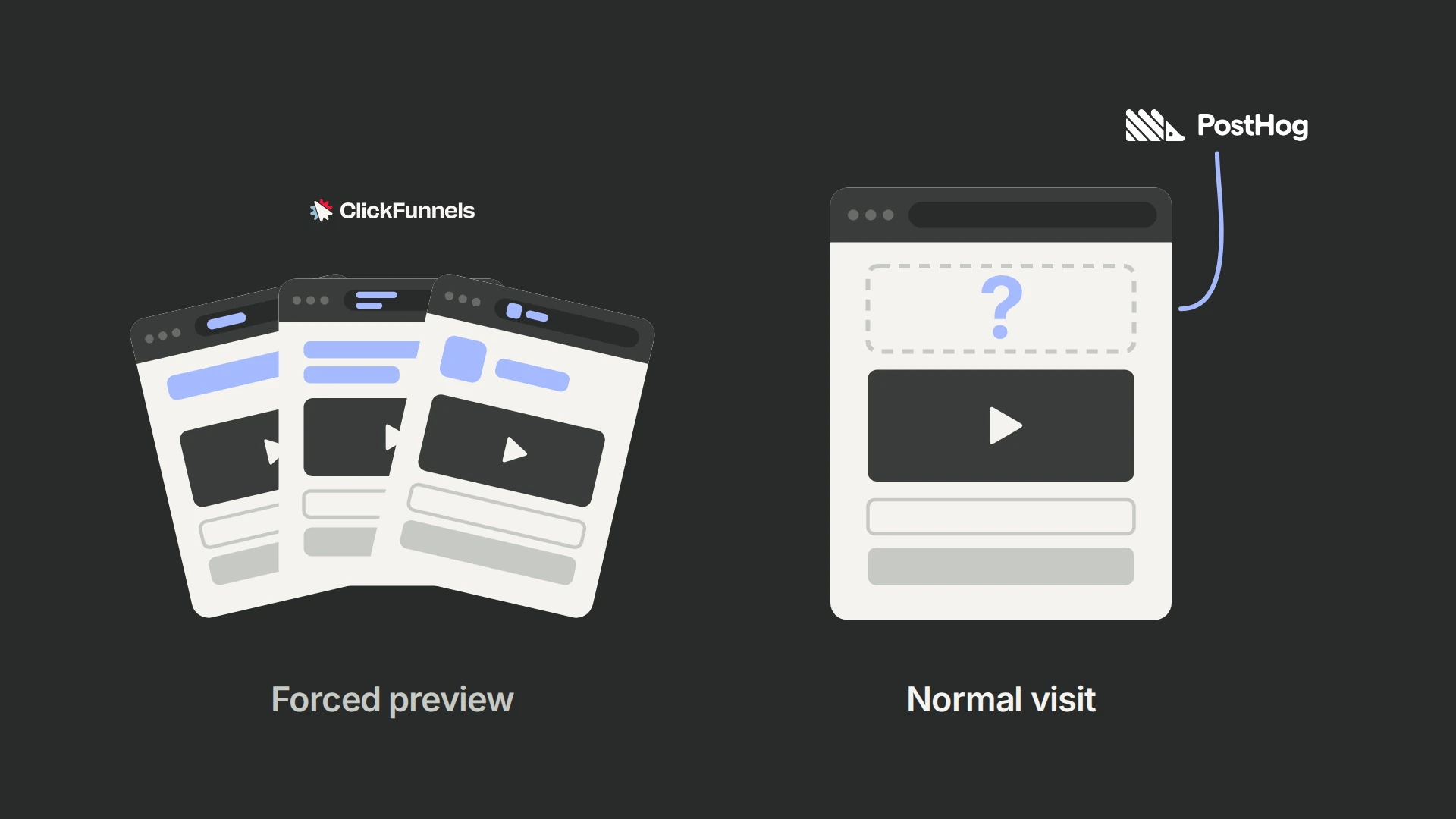
Read moreBuild on a cloned step, then deploy to the live URL. Forced previews check rendering; a QA-only assignment before launch must prove exposure and opt-ins.
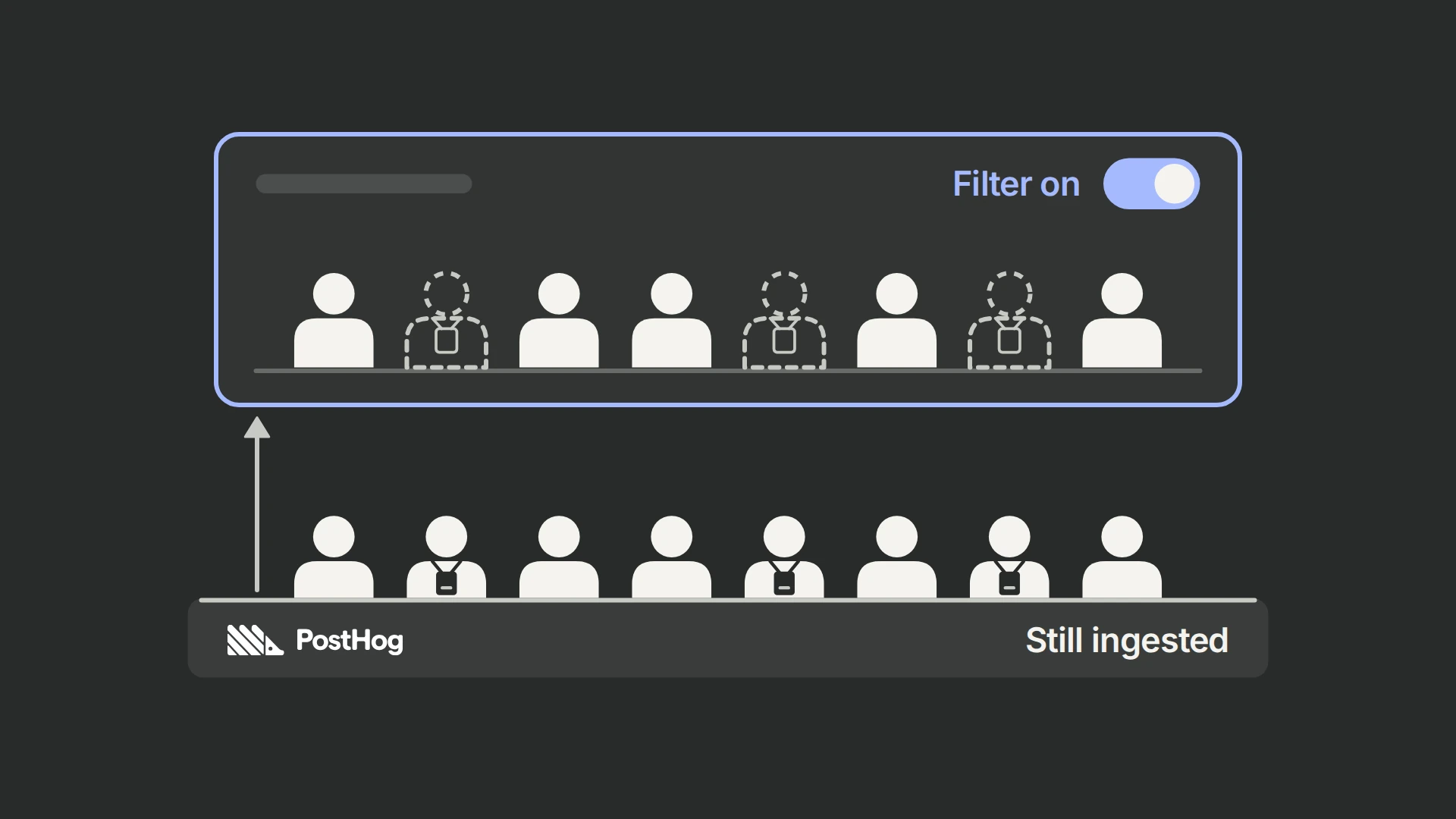
Read moreEach rule describes traffic to keep. Test an employee, a customer and an anonymous visitor before applying the rules to saved reports.
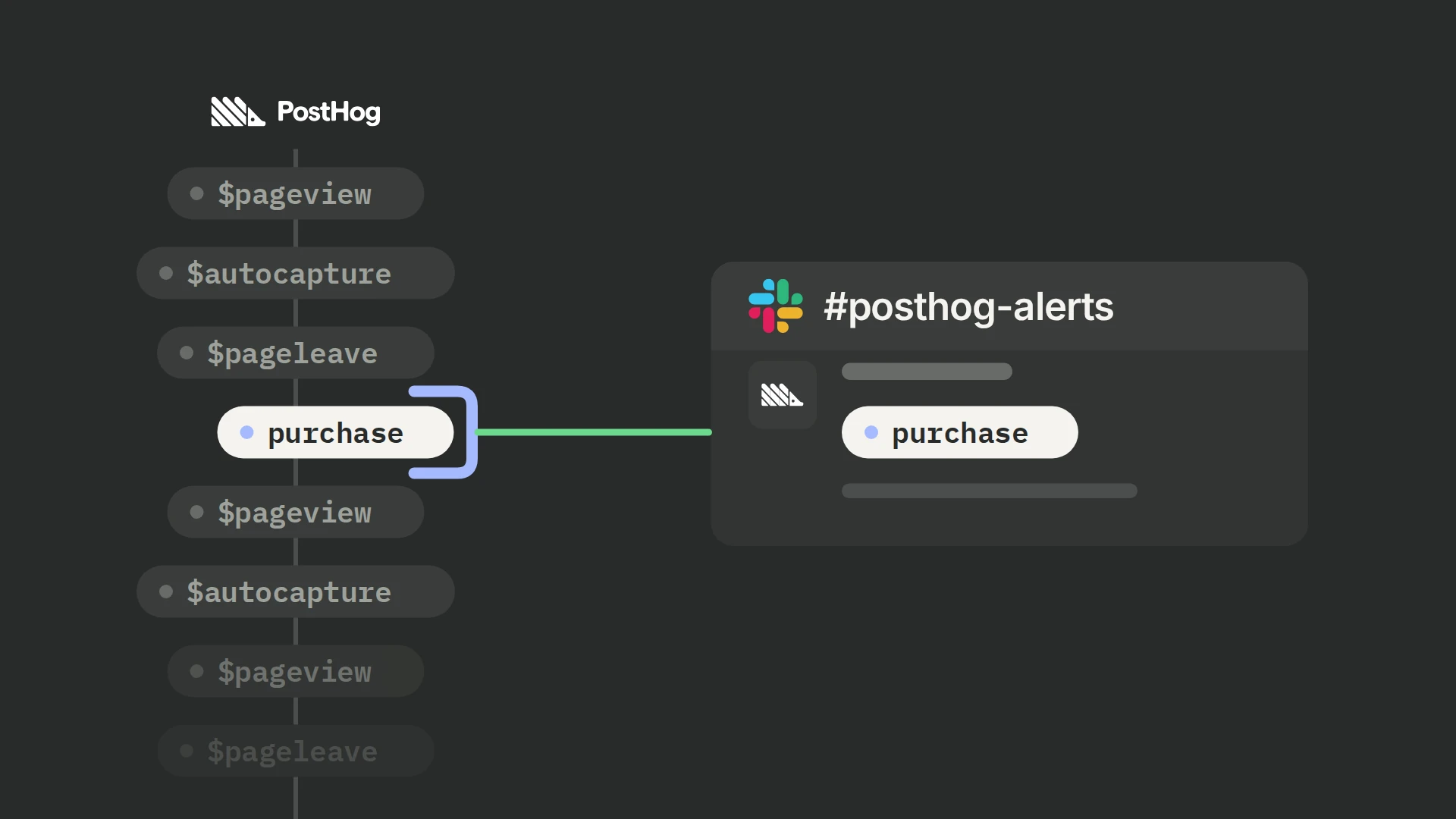
Read moreCreate a Slack destination with event matchers, property filters, and trigger frequency; invite the PostHog bot and send a test alert before enabling it.
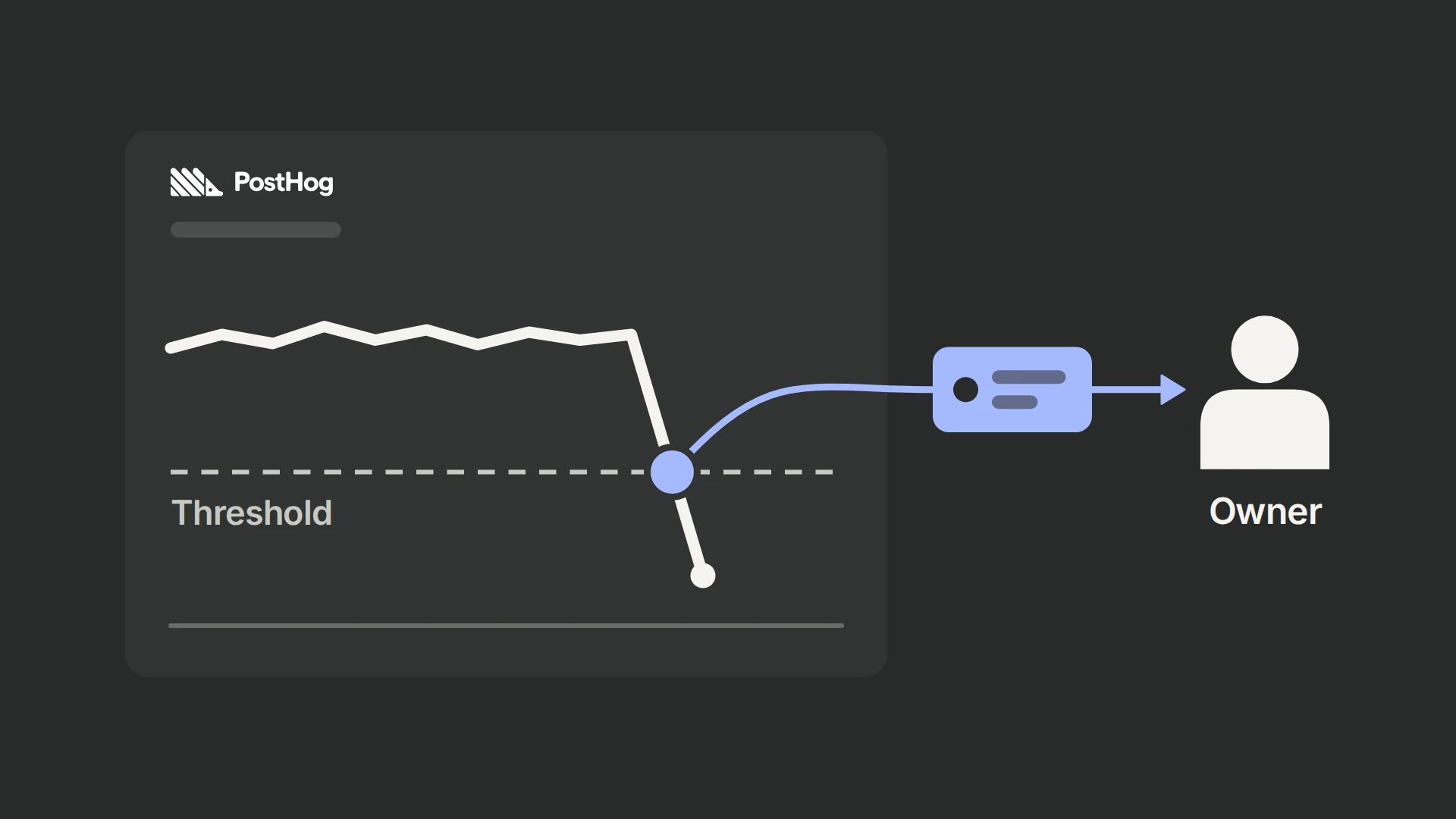
Read moreBuild an alert from a saved, filtered insight and choose a threshold or anomaly rule with an owner and response; low-volume metrics need slower checks to avoid noise.
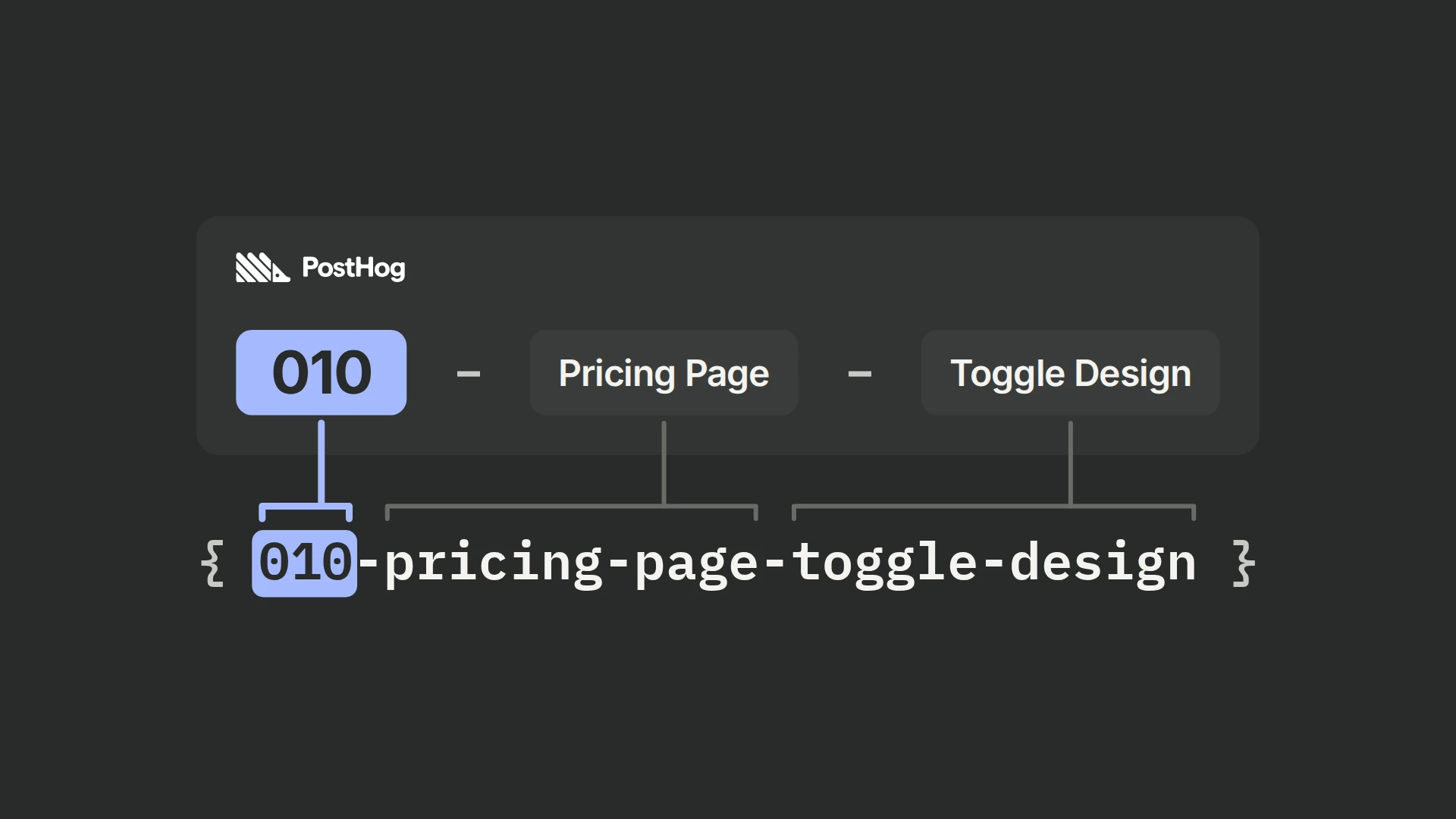
Read morePair a three-digit test number with the funnel step and change being tested; mirror it in a lowercase, hyphenated flag key so dashboards and code point to the same experiment.
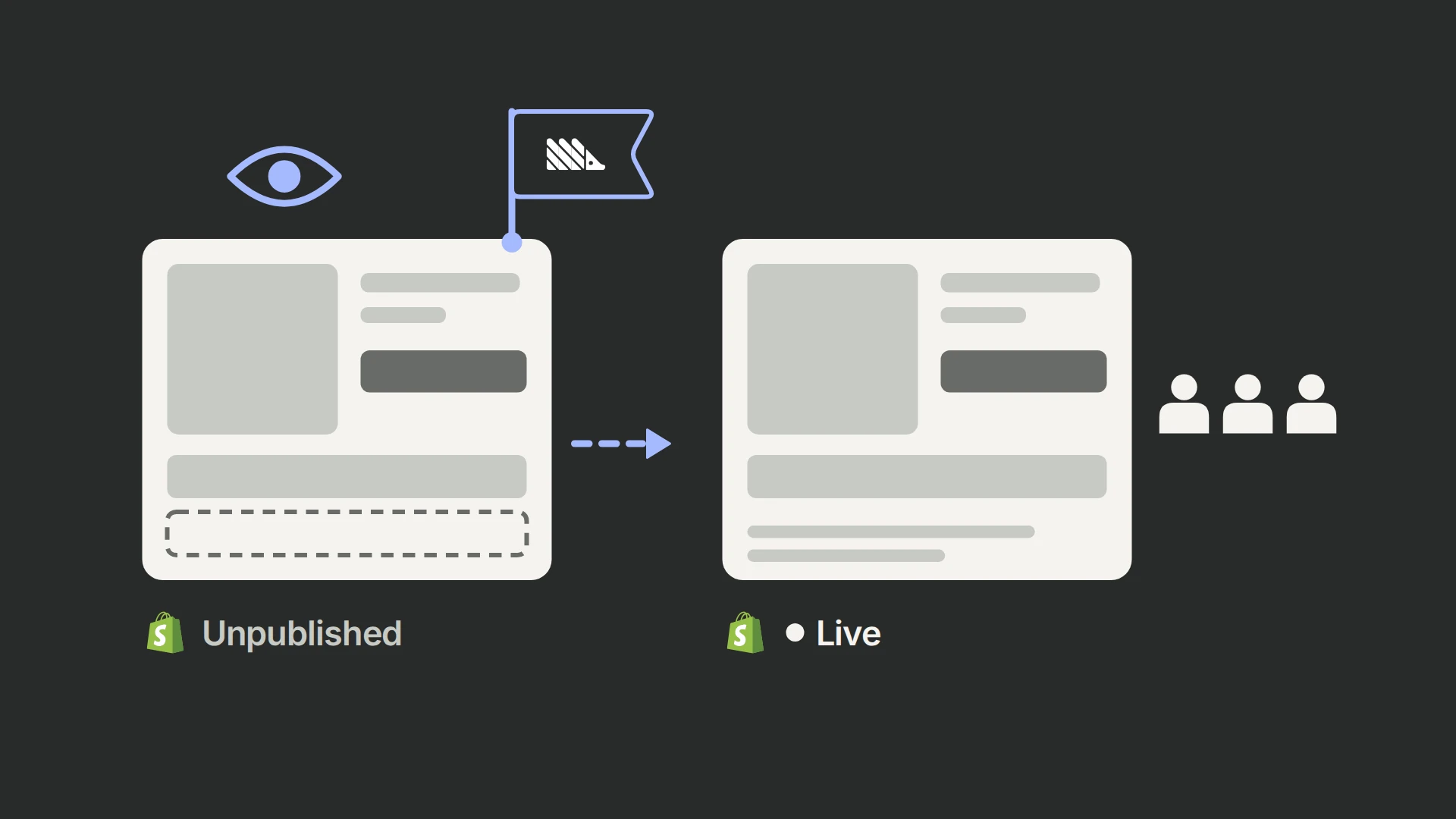
Read moreForce variants on an unpublished theme, then verify real assignment and checkout identity before trusting a purchase-conversion result.
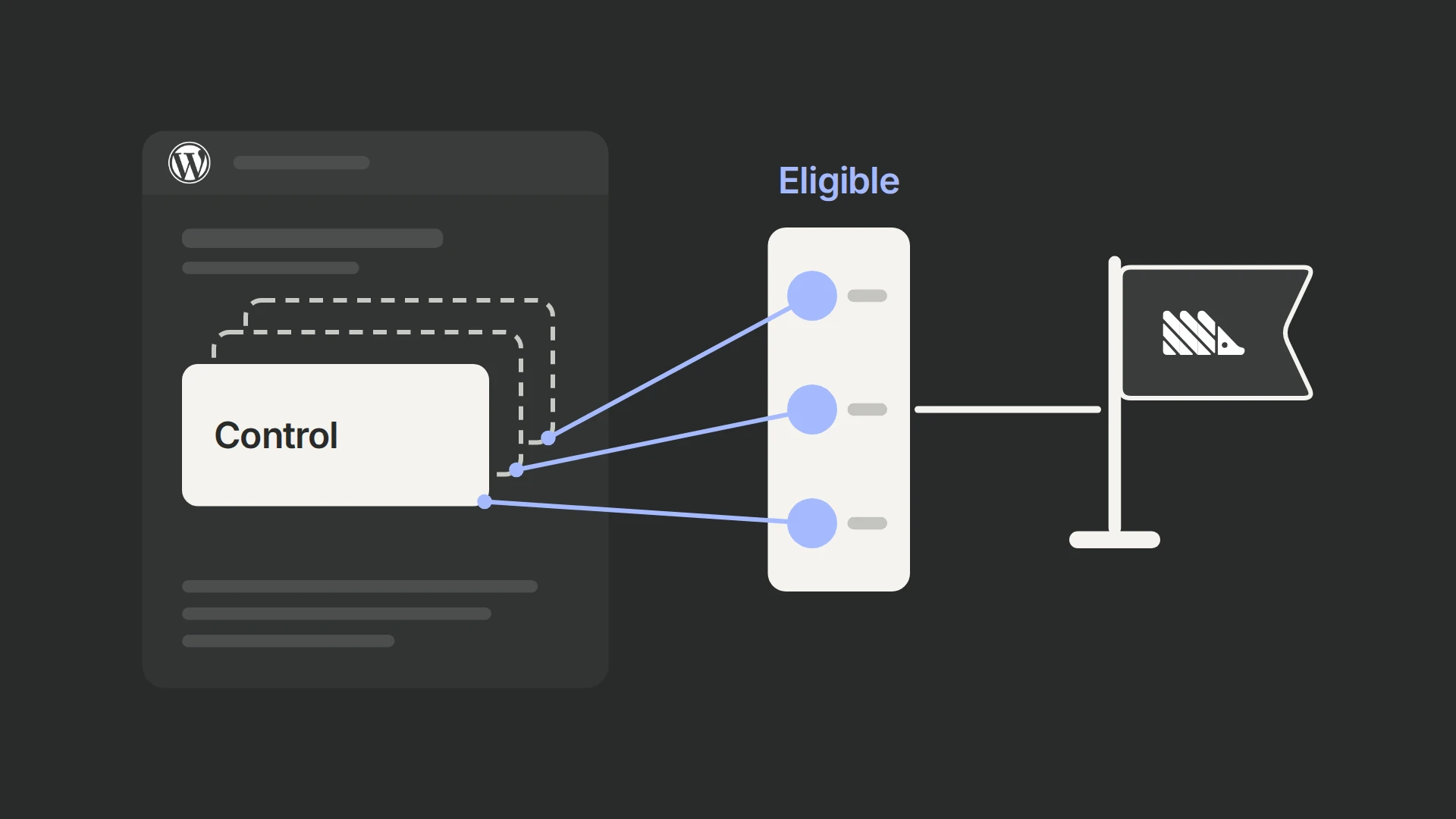
Read moreKeep control visible until a variant is ready, and check every target before reading the flag so visitors who cannot receive the change stay out of the experiment.
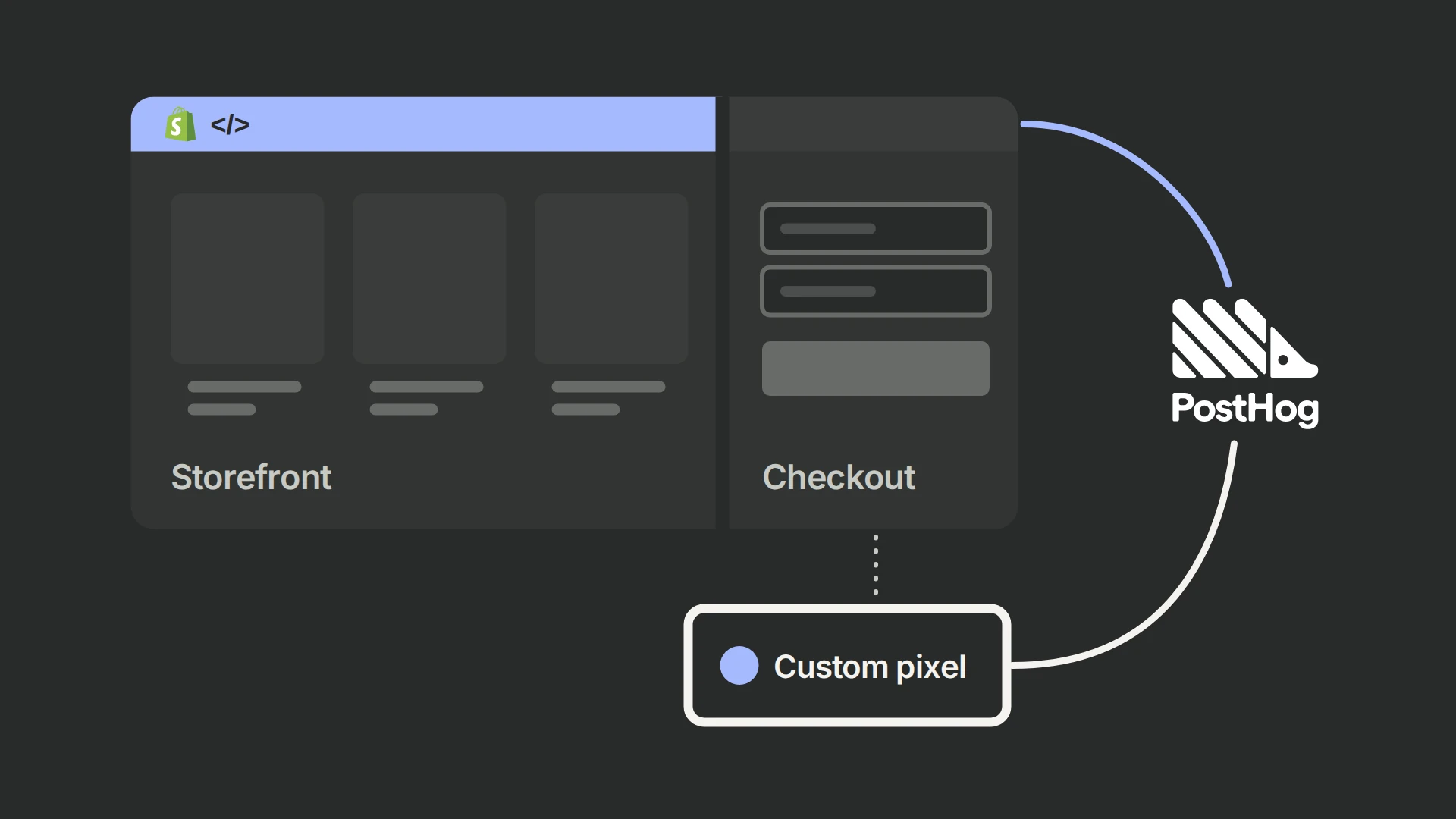
Read moreA consent-controlled cookie joins storefront and checkout under one visitor ID on the same host. Compare the IDs before trusting a purchase funnel.
Read more