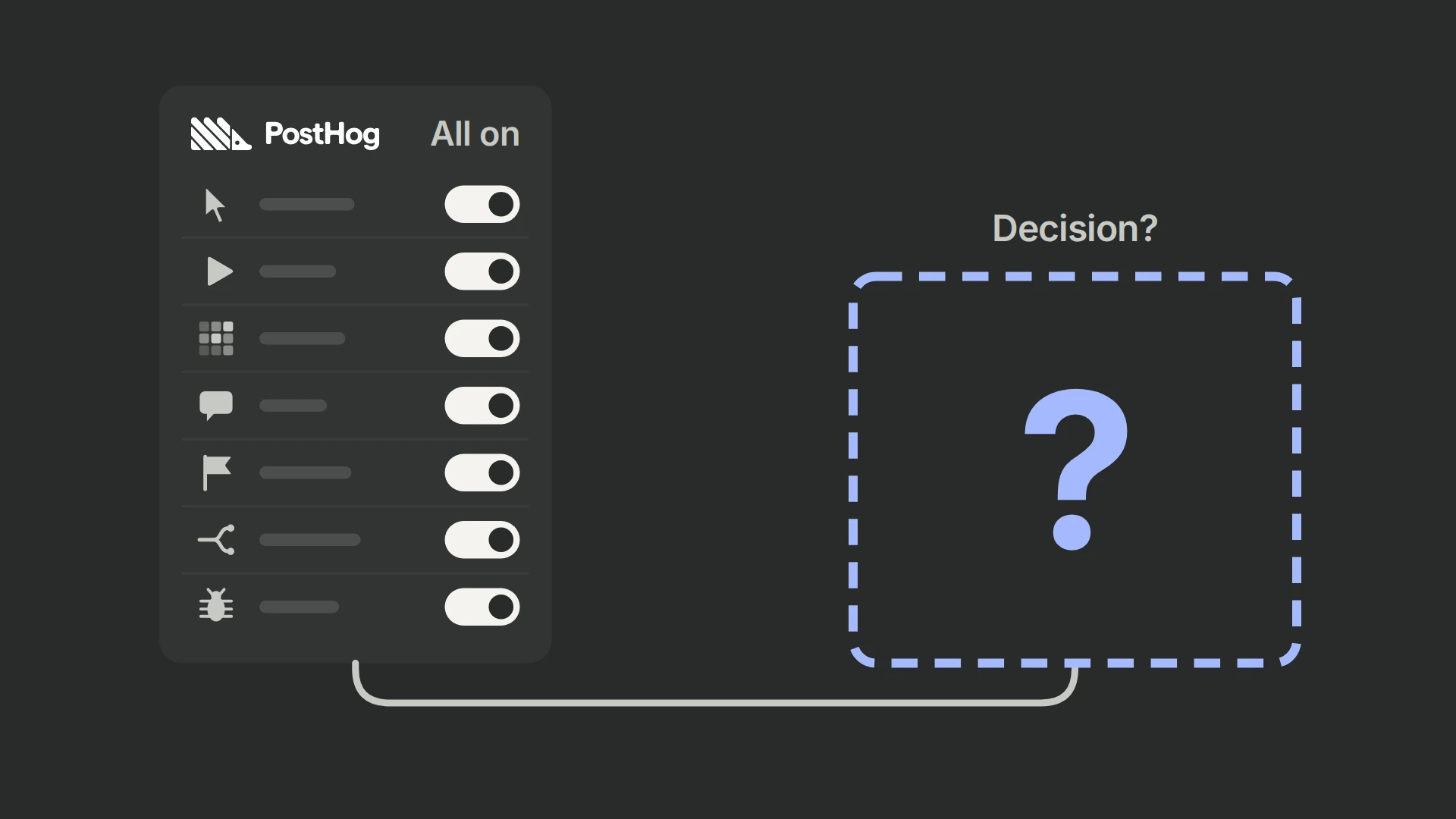
A useful PostHog implementation is not an SDK installation or feature tour. It is a decision system connecting business-aware events, identity, acquisition, revenue, experiments, and QA so a growth team can identify a lever, act on it, and validate the result.
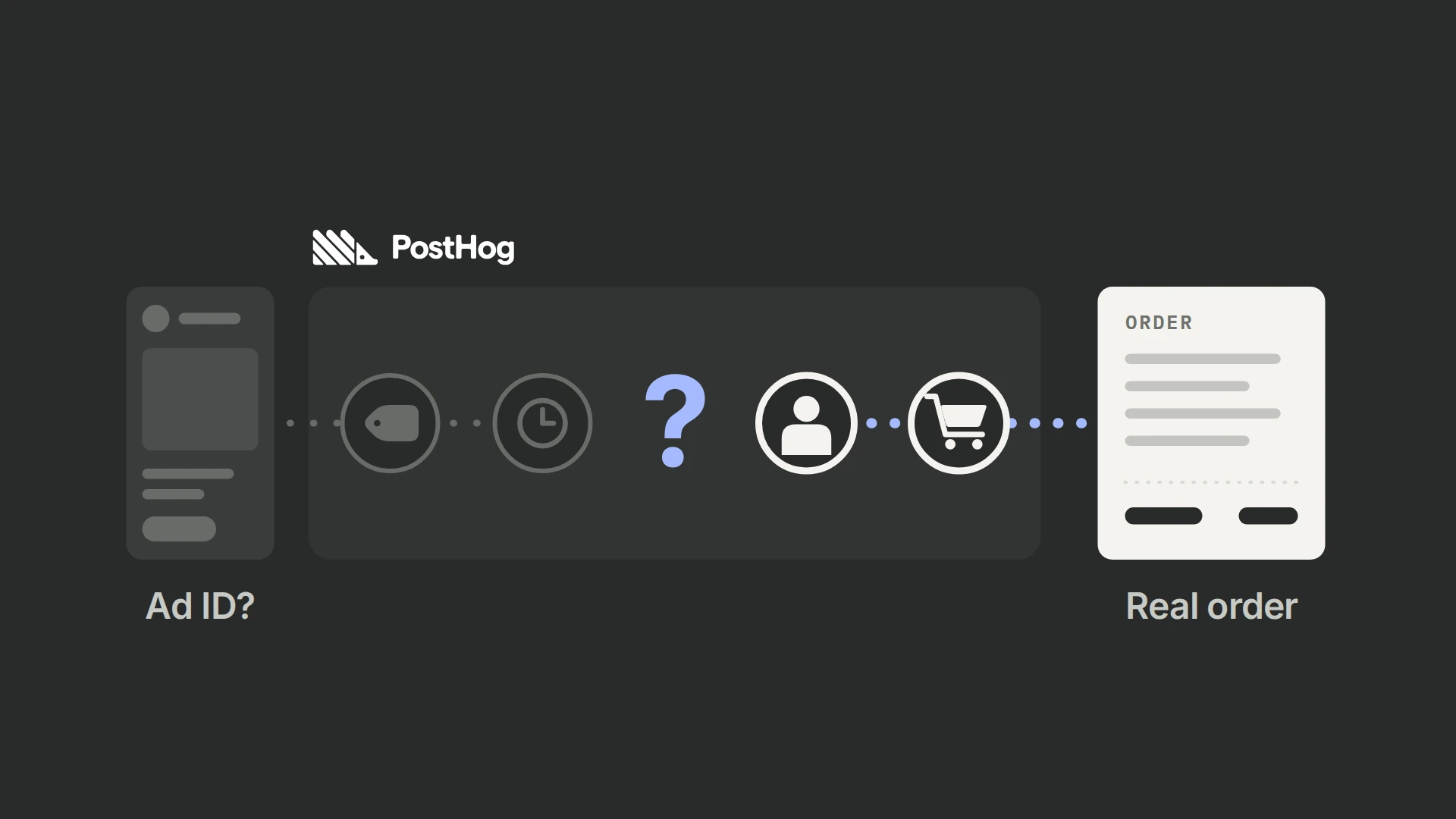
A PostHog audit should prove more than event delivery. These 12 checks follow the full measurement chain—from ad click and identity through event semantics, purchase value, attribution, ROAS, and production governance—so you know which decisions the data can safely support.
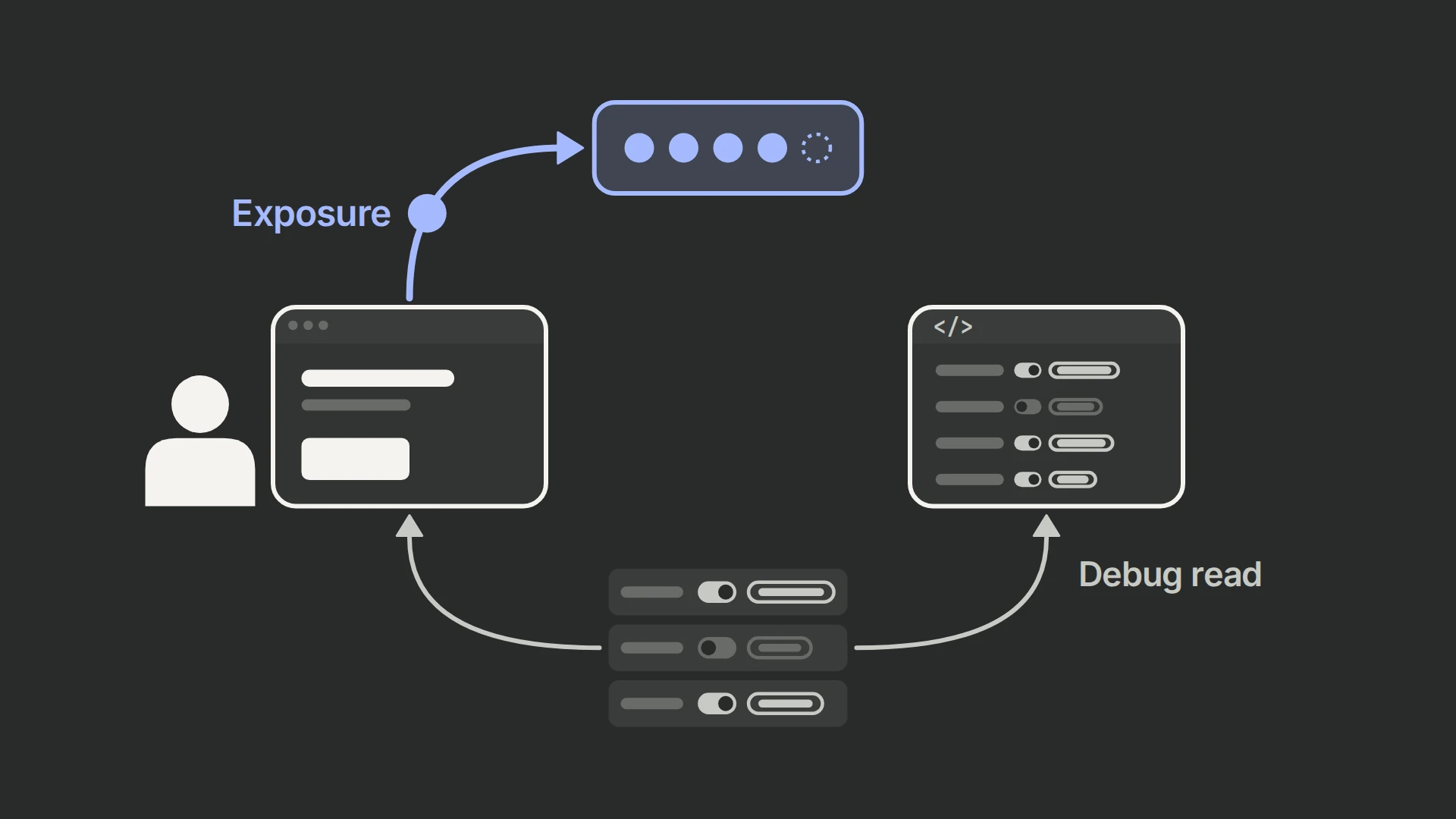
getAllFeatureFlags() returns each loaded flag’s key, enabled state, variant, and payload from local cache, making it useful for QA and support tools without extra network requests.
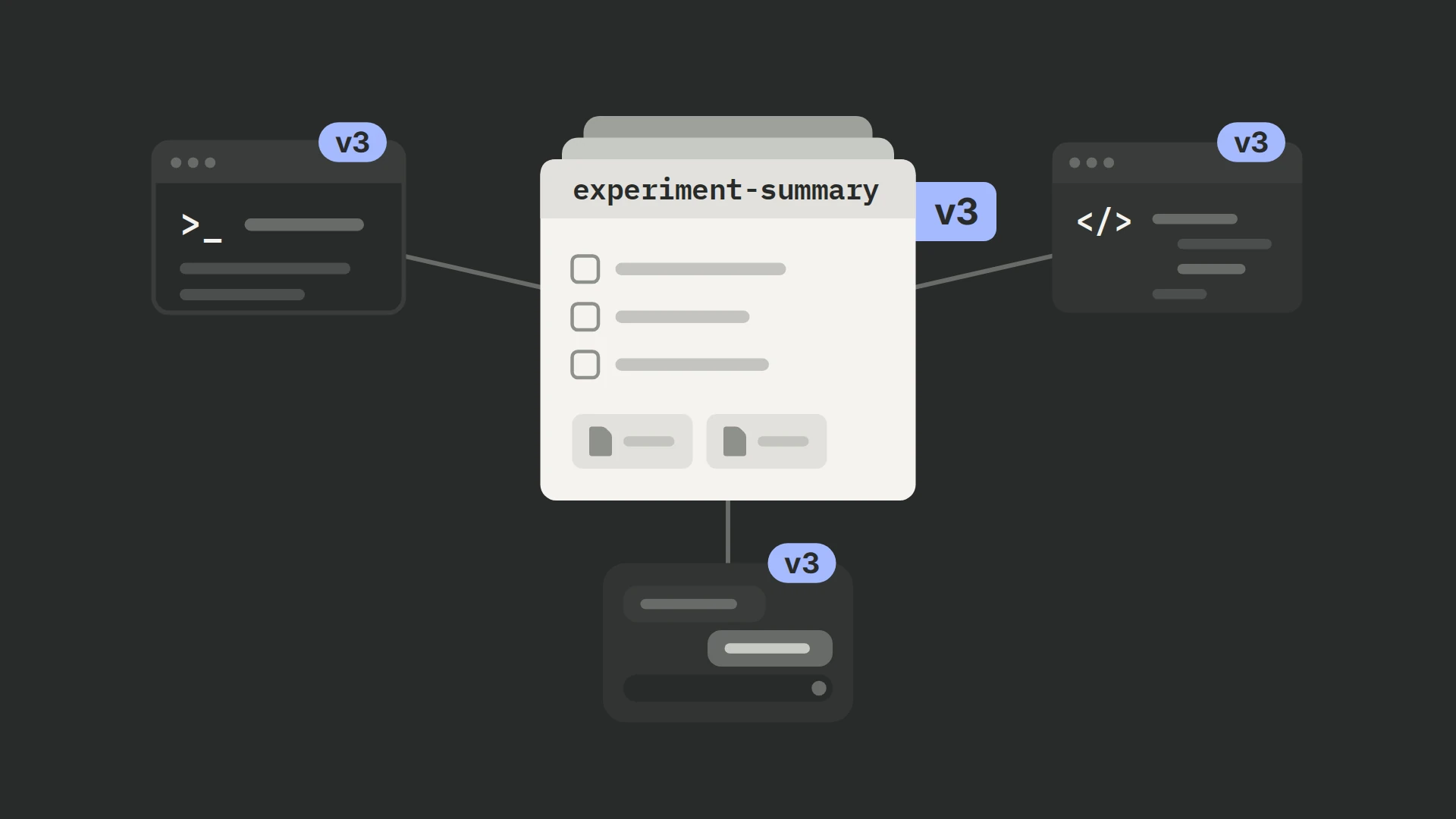
Turn repeated analytics and implementation workflows into versioned skills that agents can discover and fetch on demand, with bundled files and update safeguards instead of copied prompts.
Destinations, transformations, batch exports, and legacy integrations can be muted individually. Use that control to reduce alert fatigue—not to hide broken pipelines.
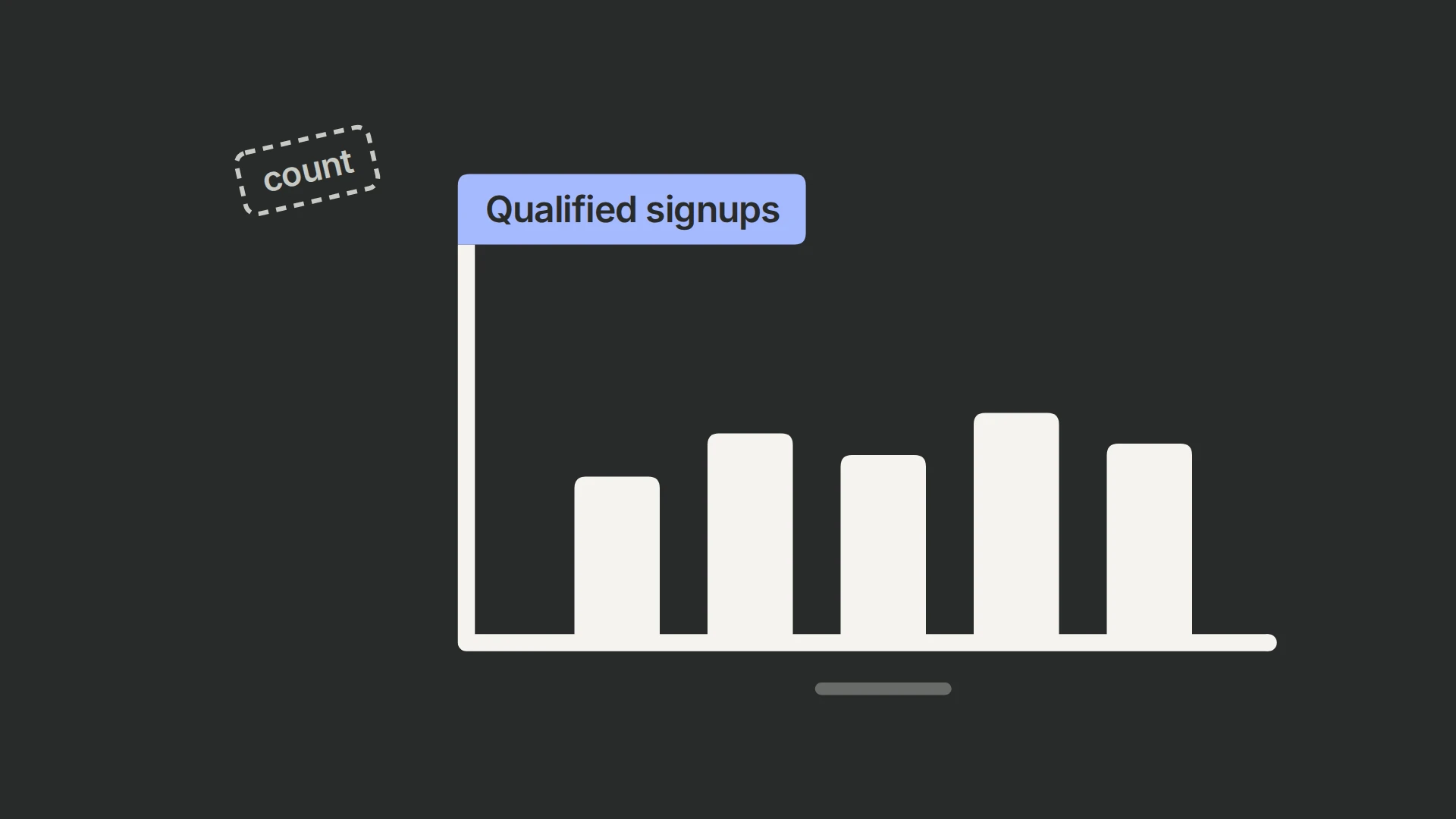
Rename line and bar chart axes in business terms, but keep labels tied to the underlying metric definition; clearer wording changes presentation, not measurement.
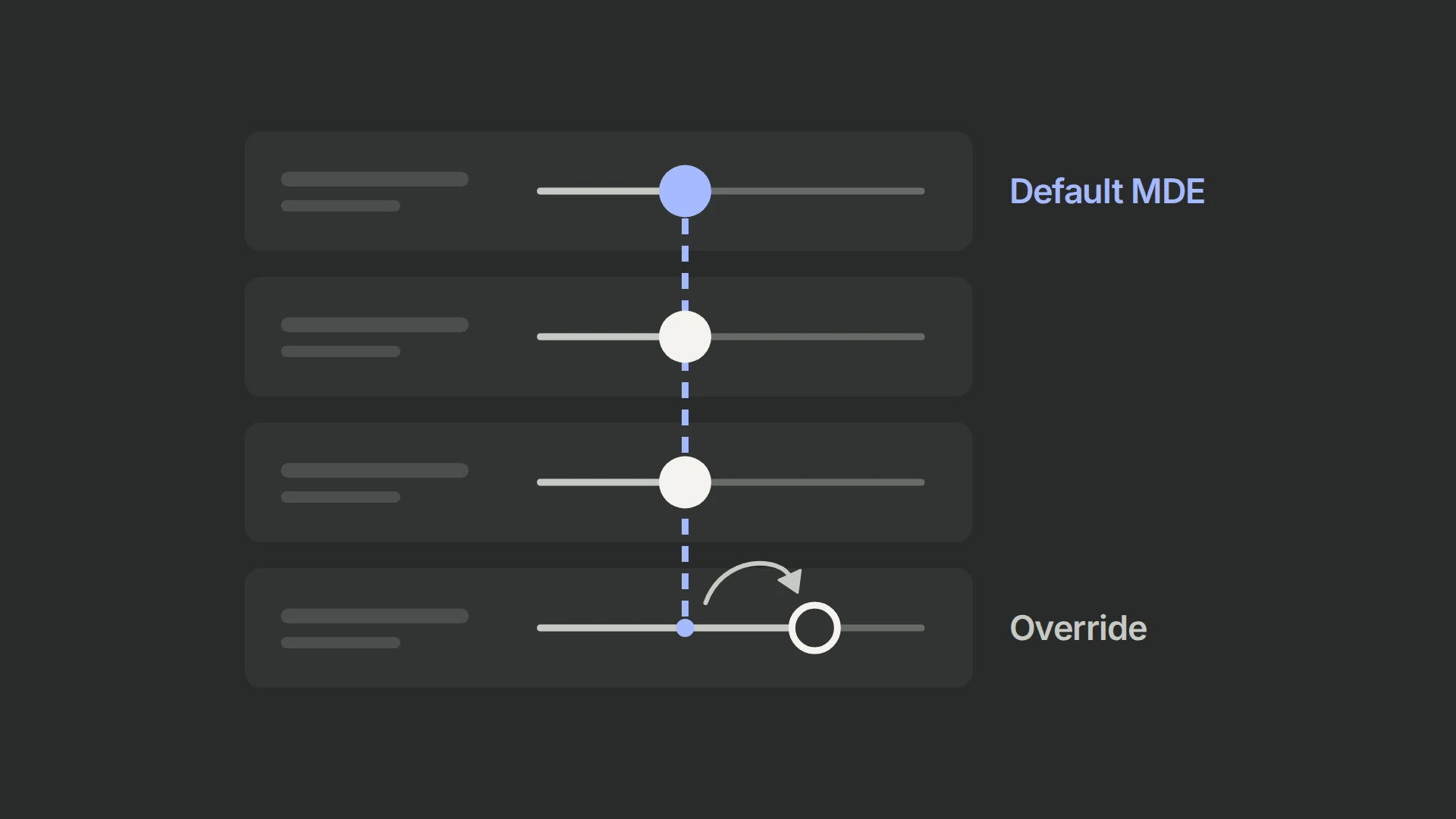
Choose the default around the smallest lift worth acting on: lower MDEs need more traffic and time, and each new experiment can override the shared setting.
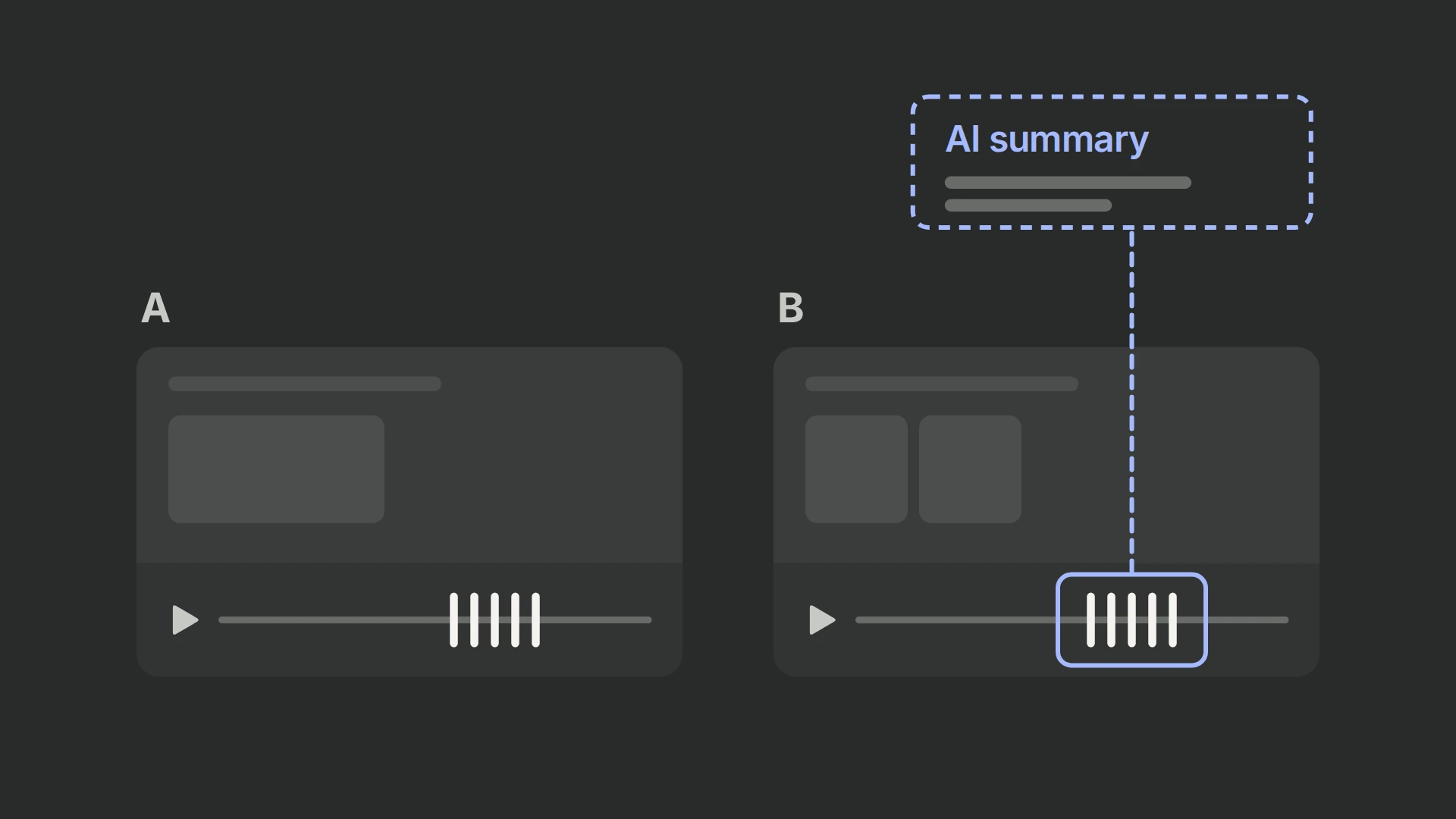
Define the behavior question before capture, sample both experiment arms and outcomes, and check AI summaries against recordings and metrics; replay alone cannot establish cause or prevalence.
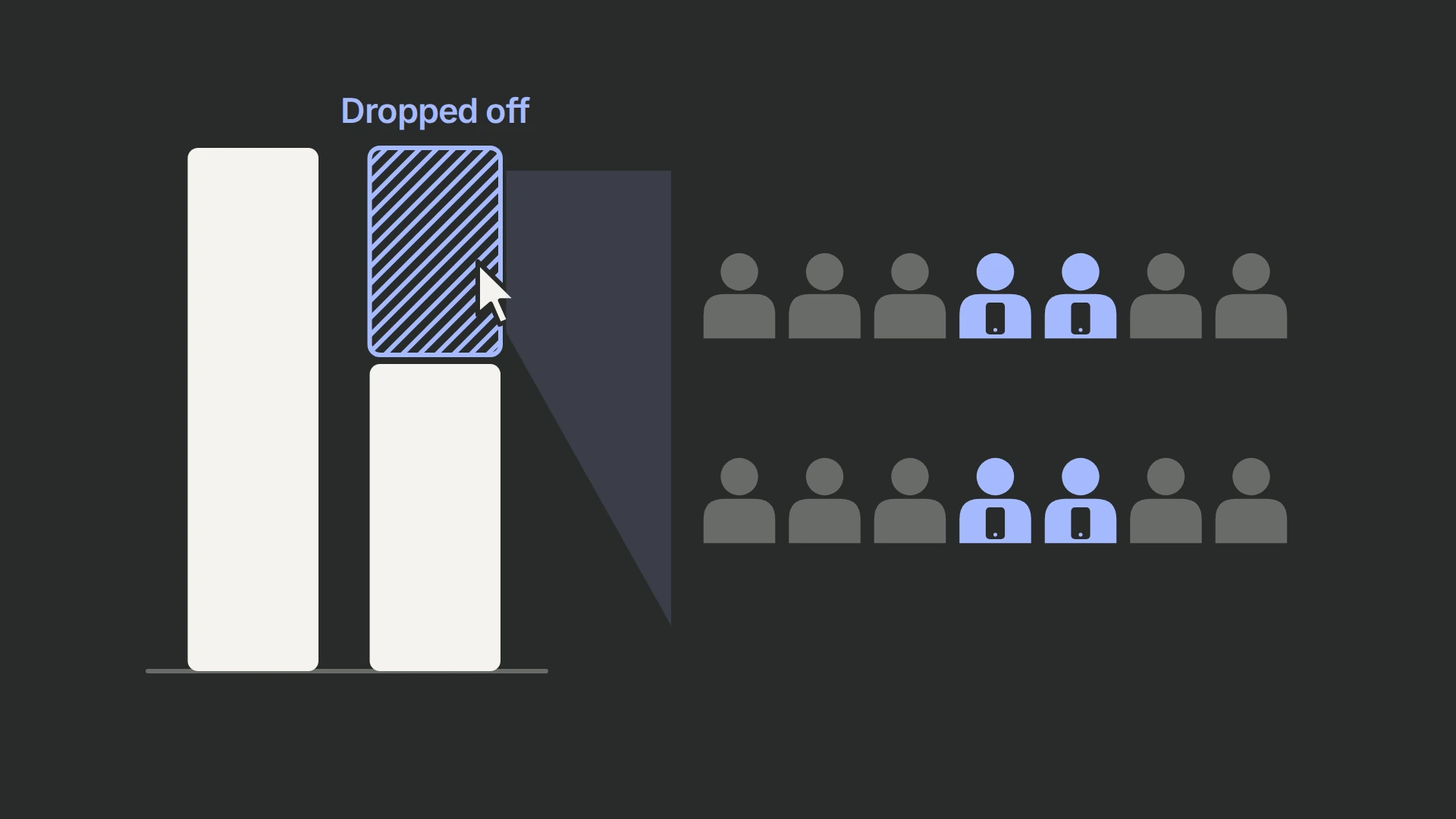
Click a funnel step to inspect the people who advanced or left, then see whether drop-off clusters in a segment without switching to user-based aggregation.