Hire a CRO agency when your website already has traffic and paying customers, but your team cannot consistently research, build and evaluate improvements. The agency should find why visitors hesitate, test changes against a control, and deploy the changes that improve the agreed conversion. At 99Ways, most engagements cost $4,000–$7,000 a month; whether that pays back depends on your revenue, margins and the lift you achieve.
What does a CRO agency actually do?
A CRO agency investigates why visitors do not convert, turns that research into testable changes, and measures whether those changes improve a business outcome. At 99Ways, the work includes the research, tracking, design, development, QA, analysis and deployment, and you hear from us as each test launches and ends.
- Understand the journey. Identify where visitors come from, what they intend to do, and which questions or worries stop them at each step.
- Check measurement. Agree the main conversion and verify that it records the completed action, rather than a click toward it.
- Choose a hypothesis. Connect an observed problem to a proposed change and a result that would support it.
- Design, build and QA. Create the variation and check the page, assignment and conversion tracking before exposing customers.
- Run and read the test. Compare the variation with its control on the agreed metric, including the uncertainty around the result.
- Deploy and document. Ship the winning change and record what each experiment taught, including tests that kept the control.
A redesign or funnel rebuild can deliver new pages without establishing whether they sell more. When hiring, ask whether the scope includes a controlled comparison and deploying the winner, or ends at the new design. Our redesign comparison explains when each approach fits.
We prioritize by impact × confidence × ease: start with easier changes that have evidence behind them and could affect the main conversion. Much of our work begins with explaining the offer completely—what it is, the problem it solves, the product and the price. See why visitors hesitate for the questions that research needs to answer.
How do you hire a CRO agency?
Confirm that testing can work on your site, then compare agencies on the evidence of their past experiments, who does the work, what working together looks like, and the contract terms. Eight steps cover it:
- Check fit. Enough people reach the step you want to improve, the offer already sells, and someone can approve and ship changes. Our traffic guide shows what your volume can detect.
- Agree the main conversion. Name the completed action, such as a confirmed purchase or a qualified lead, and check that your analytics records it.
- Ask for complete experiment records. Two or three, losses included: the hypothesis, the control, the main conversion, the uncertainty and the deployment decision. Our agency evaluation guide shows what each should prove.
- Ask who does the work. Who researches, designs, builds, runs QA and deploys, and how many tests a month your traffic supports.
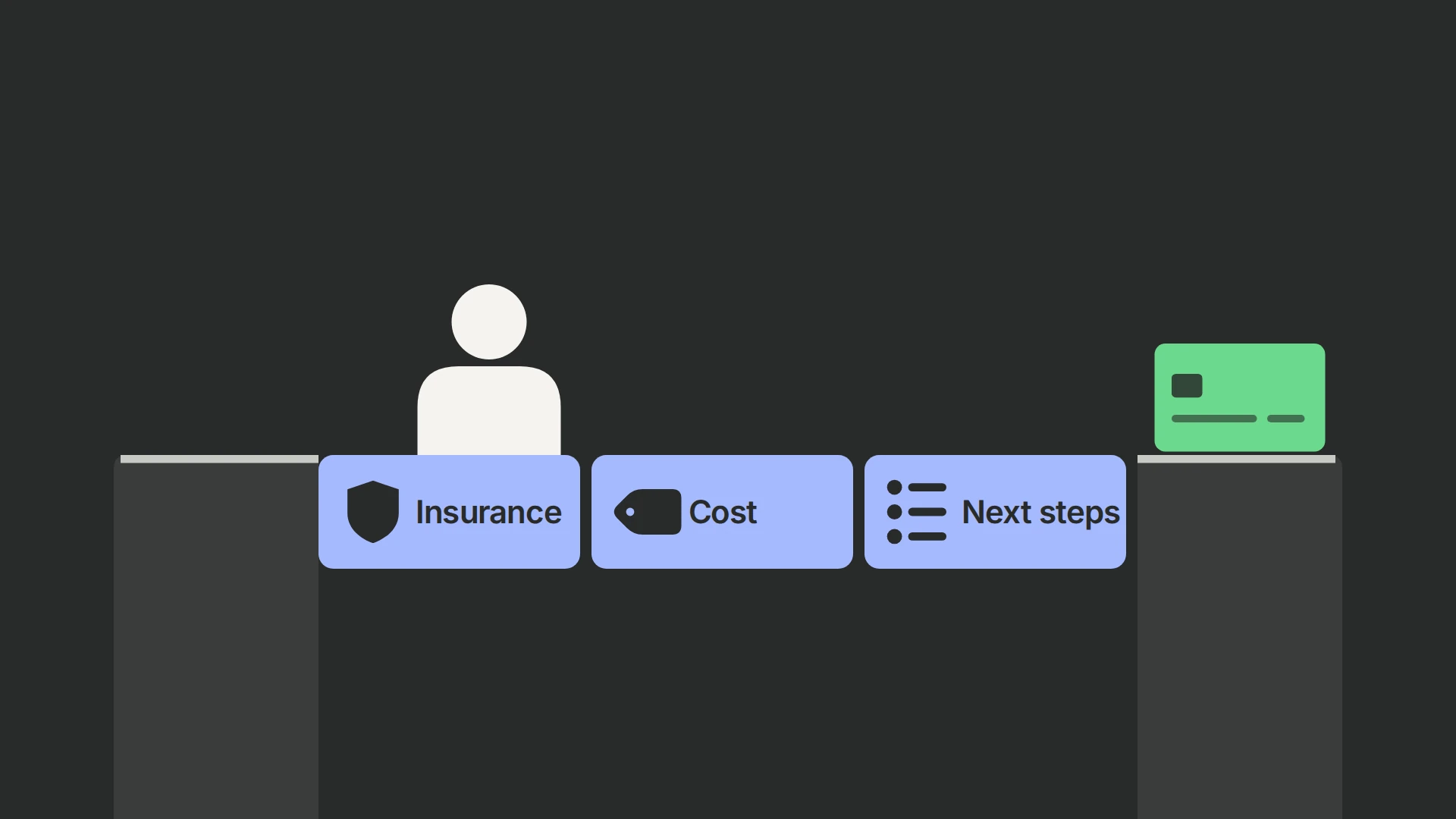
- Ask what the first months look like. What happens in week one, how they check your measurement, when the first test goes live, how you see a variation before your customers do, and how results reach you. A concrete answer shows a working process and what it will ask of your team; our services page describes ours, from the first call to the cycle of tests that follows.
- Compare scope against price. The number of tests, the depth of research and who builds the variations explain most of the difference between published prices.
- Read the guarantee. If one is offered, check the terms listed under guarantees.
- Check the contract. The commitment and notice, who owns the test code, the data and the experiment records, which tool licenses are included, and what access the agency needs.
At 99Ways, you own the test code, the data and the record of every experiment, during and after the engagement. You decide each month whether to continue; only an engagement with a guarantee commits to six months.
How much does conversion rate optimization cost?
Conversion rate optimization costs from a few hundred dollars a month for an automated testing app to between $2,500 and $10,000 or more a month for a staffed agency program, at prices published in November 2026. One-off audits cost $3,500–$25,000, and an in-house CRO specialist in the US earns about $73,000 a year before design and development support. Most 99Ways engagements cost $4,000–$7,000 a month.
An automated app such as acceleroi’s Starter plan runs one test a month on a Shopify store for $299, billed through Shopify; it is in beta and handles up to about 25,000 visitors a month. (+) A staffed program adds the research, design, development and analysis an app does not.
Ask which tool licenses are included and budget separately for any that are not. PostHog’s November 2026 monthly free allowance includes 1 million analytics events, 5,000 session recordings and 1 million feature-flag requests; experiments are billed with feature flags. (+)
Testing also costs conversions while a weaker variation runs; our testing cost guide shows how to budget for that loss.
How much does a CRO agency cost?
Published CRO agency programs run from $2,500 to $10,000 or more a month in November 2026, priced mainly by how many tests run each month and the size of the client. Most 99Ways engagements cost $4,000–$7,000 a month, depending on the research and tracking needed, how many experiments run at once, and whether we design and build the variations. The work is the same month to month or under a six-month guarantee, and which suits you is settled on the first call. Our services page shows what working with us looks like.
These are the prices providers published in November 2026. Their scopes differ, so compare the deliverables as well as the fee.
| Provider and service | Published price | Scope and commitment |
|---|---|---|
| ConversionTeam AMPLIFY Startup | $2,500/month | 1 test/month; businesses under $1 million revenue; month to month. (+) |
| ConversionTeam ITERATE Lite | $3,500/month | 2+ tests/month; month to month. (+) |
| ConversionTeam ITERATE | $5,500/month | 3+ tests/month; month to month. (+) |
| ConversionTeam ITERATE Enterprise | $8,000/month | 5+ tests/month; month to month. (+) |
| Invesp Growth Program | From $10,000/month | Flat monthly fee for brands with $6 million+ revenue; first month free, then month to month or longer. (+) |
| ConversionTeam Hitlist audit | $3,500–$10,000 once | A scoped audit project. (+) |
| ProductQuant Foundation | $15,000–$25,000 once | A six-week diagnostic and implementation roadmap. (+) |
Is a monthly CRO retainer worth it?
A monthly CRO retainer is worth it when the additional profit from deployed improvements can cover the fee, tools and your team’s time. Use revenue from the journey being improved, rather than all company revenue, and estimate several possible lifts instead of treating a sales promise as your forecast.
Additional monthly gross profit ≈ monthly revenue through the affected journey × relative conversion lift × gross margin.
Break-even lift = monthly fee ÷ (monthly revenue through the journey × gross margin). For a $5,000 retainer, with illustrative inputs:
| Monthly revenue through the journey | Gross margin | Monthly gross profit | Lift that covers the fee |
|---|---|---|---|
| $200,000 | 50% | $100,000 | 5% |
| $100,000 | 40% | $40,000 | 12.5% |
| $30,000 | 40% | $12,000 | 42% |
The first site covers the fee with a 5% lift, and a 20% lift adds $20,000 of monthly gross profit: $15,000 after the fee, with traffic and order value unchanged. The last needs a 42% lift just to break even, so measurement and the offer come first there.
A deployed winner keeps paying after the test ends, and later wins build on it. The first year returns less than twelve months of that steady state: the first weeks build measurement, wins arrive one at a time, and a deployed change often delivers less than its test readout. Count a benefit only while the change stays live and relevant.
A retainer is a poor fit when too few visitors reach the conversion to evaluate tests, the offer does not yet sell, or nobody can approve and ship changes. In those situations, establish measurement, demand or implementation capacity before paying for a continuous testing program.
Do CRO agencies offer guaranteed results?
Yes, some CRO agencies offer guarantees. At 99Ways, a six-month engagement can carry a guarantee of a 30% lift in the agreed main conversion rate within six months, with up to three additional months of work without a fee if we miss it. The remedy and counting method matter as much as the headline percentage.
Published terms in November 2026 illustrate different commitments:
- Extra work if a lift target is missed. ConversionTeam’s ITERATE and Enterprise programs promise a 30% conversion-rate improvement from winning tests in the first 90 days of active testing, or up to three more months free. ITERATE Lite has a 20% target. Its FAQ says the client judges wins using the client’s analytics. (+ / +) The guarantee counts cumulative test lift, rather than changes in the blended site conversion rate. (+)
- Pay for performance. Invesp’s October 2026 Performance Program ties payment to conversion improvement and advertises “no lift, no fee.” Ask how the fee scales with the measured result before comparing it with a flat retainer. (+)
- A refund for a missing deliverable. ProductQuant promises a full engagement-fee refund if it does not provide a clear, actionable growth diagnosis within two weeks. Its boundaries include access delays, scope changes and missing analytics data. This is a diagnosis guarantee, rather than a conversion-lift promise. (+)
- No specific outcome guarantee. acceleroi’s website terms disclaim specific outcomes from its audits and recommendations; its paid services run under separate client agreements. (+)
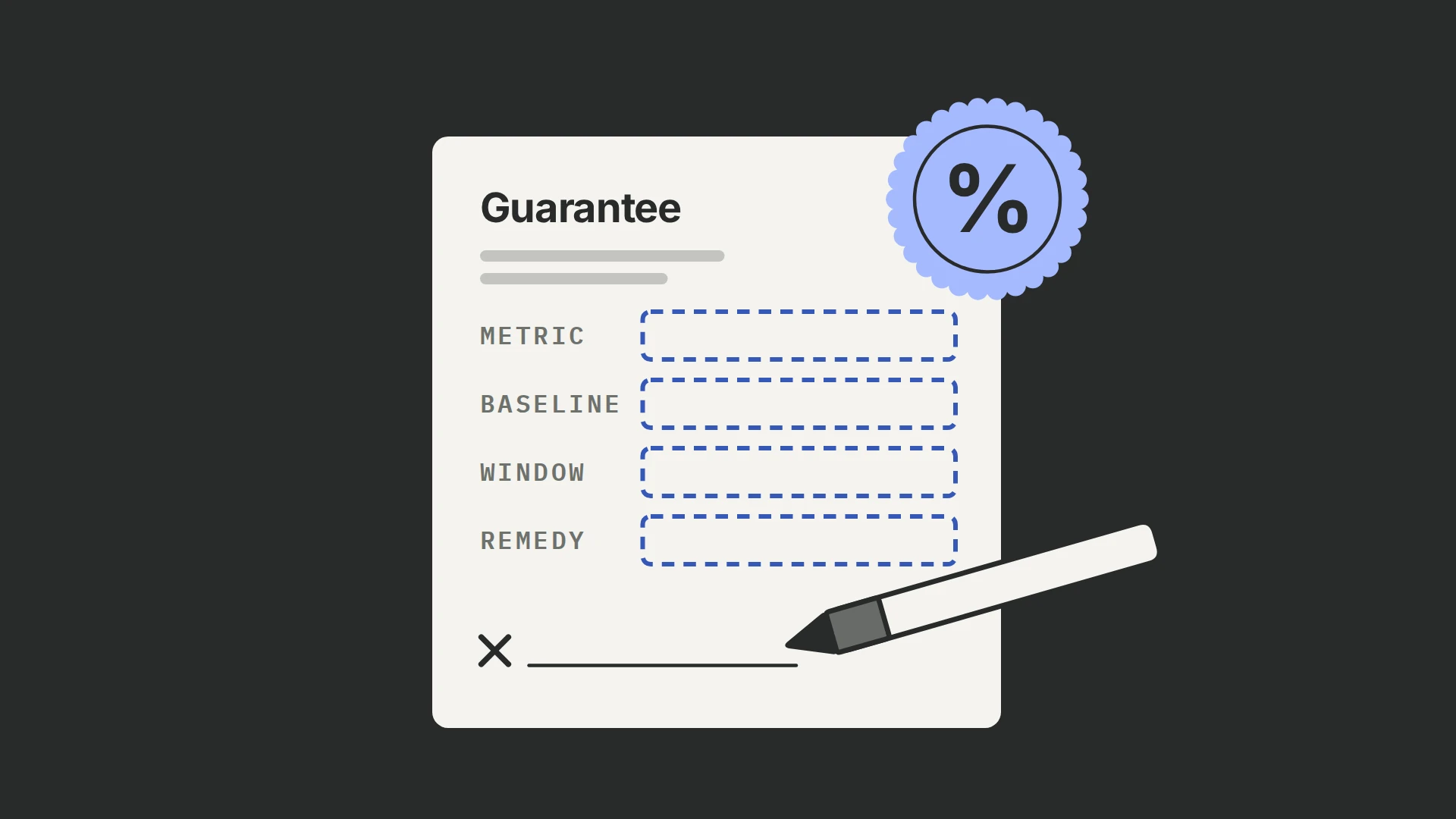
Before signing any guarantee, put these terms in writing:
- Metric and baseline: what completed action counts, who is eligible, and which control or starting period defines improvement.
- Window: when the clock starts, when it stops, and whether setup time is included.
- Counting: how individual wins combine, which tests qualify, and whether winners must be deployed.
- Judgment: whose analytics and decision rule determine a win, and how a disagreement is resolved.
- Remedy and eligibility: whether you get a refund, a fee waiver or extra work; its limit; and the traffic, access and approval conditions you must meet.
For 99Ways, the 30% is counted from the tests: the measured lifts of the winning tests we deploy, each against its control on the agreed main conversion in your own analytics, compounded. Wins of 12% and 16% give 1.12 × 1.16 ≈ 1.30, a 30% combined lift. A winner has at least a 90% chance of beating control on that conversion, the rule in our health-brand case. The lift is relative: 30% of a 2% conversion rate is 0.6 points. Your site-wide conversion rate can move by more or less than the tests, because traffic mix, seasonality and prices move it too; our cumulative-impact guide explains the difference.
Our guarantee requires a six-month commitment, at least about 200 conversions a month on the agreed metric, and approved tests going live on the agreed schedule. The six months run from the start of the engagement, including the first weeks’ measurement work. If we miss the target, we keep working without a fee for up to three more months. Without a guarantee, the same work runs month to month; whether one suits you is settled in the proposal.
How long does CRO take to show results?
At 99Ways, early wins usually appear within 4–6 weeks on sites where a test reaches its planned sample within a few weeks, and the effect of several deployed wins shows over 2–3 months. A guarantee’s window is six months from the start of the engagement.
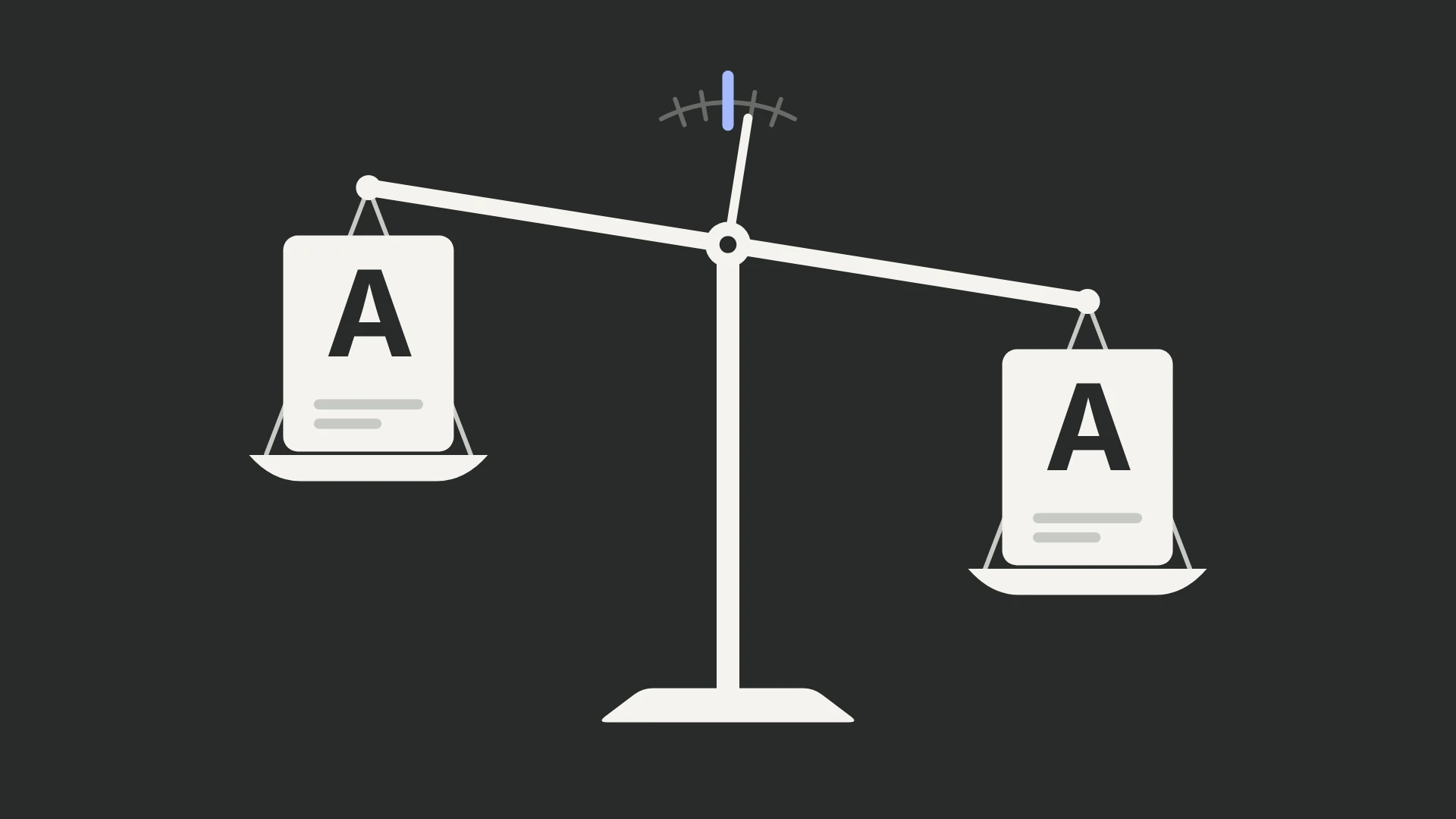
The first weeks run three things side by side: a check that tracking measures the agreed metrics; an A/A, or “zero,” experiment that shows the same experience to both groups to measure the site’s noise and estimate time to a conclusive result; and an audit of the journey to agree the first hypothesis, which we build meanwhile. The first real test launches as soon as the A/A checks of allocation, exposure and conversion counts find no unresolved bias, and the A/A keeps running beside it. The Zero Experiment explains that check.
With enough traffic an experiment can conclude in a week; others take two or three weeks, sometimes longer, and we prepare the next while one runs. When few visitors reach the main conversion, we may run two experiments in parallel for about six weeks each, giving roughly one conclusion every three weeks. A new launch and a concluded experiment are different milestones.
For comparison, ConversionTeam’s November 2026 pricing table schedules its first live test for week 2 across its testing programs. (+) Its homepage puts the first result reads in weeks 4–6. (+)
Invesp’s October 2026 homepage says first tests go live within 15 days, most clients see a first revenue-positive test within 60 days, and a material lift in the overall conversion rate usually shows in months 3 to 6. (+)
What results can a business realistically expect?
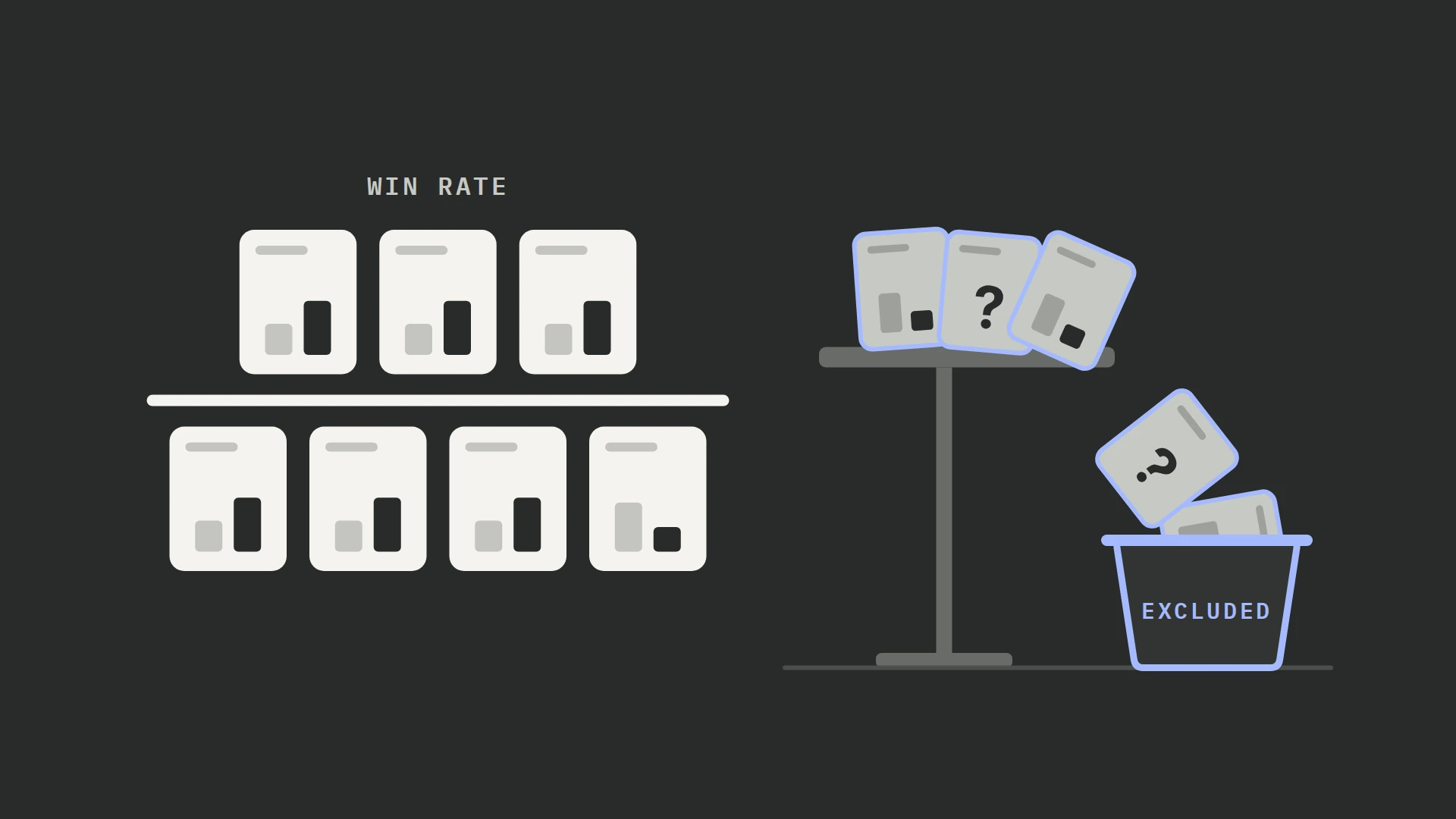
Most single tests do not win: published success rates run from about 8% to 33%, and a statistically significant win typically moves its metric by 5–25%. Results come from deploying the winners and compounding them; 99Ways guarantees a 30% combined lift within six months when an engagement carries its guarantee.
Kohavi and Thomke reported in Harvard Business Review in 2017 that about 10–20% of experiments at Google and Bing produced positive results; across Microsoft, roughly a third were effective. (+) Historical success rates summarized by Kohavi, Deng and Vermeer in KDD 2022 include Microsoft at 33%, Bing at 15%, Booking.com, Google Ads and Netflix at 10%, and Airbnb Search at 8%. The authors caution that the companies count success differently. (+)
Most tests do not produce a statistically significant improvement. As of November 2026, Optimizely reports that 12% of experiments improve the primary metric significantly in its current playbook, which covers 173,000 experiments. (+)
ConversionTeam’s June 2026 audit, read in November 2026, puts significant winners at 19.1% of 2,288 audited tests with recorded win-or-loss outcomes across 71 client engagements. Its other published win rates use different definitions and grouping, so “win rate” needs a denominator and a rule before it can help you compare agencies. (+)
On the size of a win, ConversionTeam reports median statistically significant winning lifts of 5–25%, depending on the lever tested. That range is conditional on a significant win; it is not the average return across all experiments. (+)
The same KDD paper shows why a measured win needs caution: when about one idea in ten works, roughly one in five statistically significant wins is a false positive, and wins from low-powered tests overstate their effect. Expect deployed changes to deliver less than their test readouts, and judge an agency on results that hold after deployment. (+)
A win rate does not tell you the size of the winning changes, whether they were deployed, or how much revenue the tested journey handles.
In our consumer-health case study, twelve concluded experiments over seven months produced five deployed wins. The rollout rule was at least a 90% chance to beat control on purchases. The four wins of at least 7% relative purchase-conversion lift compound to 124.78%, reported as 124% under the case’s rule of counting only wins of 7% or more; the deployed 2.5% headline-test win is left out of that figure.
The larger wins came from resolving concerns about the buying process, coverage and total cost, and from a more relatable hero image. Some attempts to simplify the page reduced purchases. That case shows how research and losing tests changed the next decision; it does not establish an average agency result. Our experiment write-ups show individual changes and their limits.
Should you hire a CRO agency?
Hire a CRO agency when you have steady traffic, an offer that already sells, and no in-house capacity to research, build and read experiments consistently. Our best fit is a business with existing customers that needs to understand what prevents more visitors from buying, across ecommerce, SaaS, lead generation or digital products. Two of those situations have their own guides: Shopify stores and webinar and VSL funnels.
As a starting point, 99Ways looks for about 10,000 visits a month or a few hundred conversions a month. Those are screening guidelines: enough people must reach the page and the main conversion being tested. The expected effect and the time you can wait also matter. Use the traffic planning guide before agreeing a test cadence.
If you are pre-launch or below that level, establish measurement and an offer people buy first. If your team already owns the research, implementation and analysis, hire for the specific gap rather than buying a second complete program.
Before choosing a provider, ask to see a complete experiment record: the hypothesis, control, main conversion, uncertainty, deployment decision and the next question it raised. Our agency evaluation guide helps you judge the evidence behind a proposal.
Should you hire a CRO agency, a freelancer or an in-house specialist?
Run A/B tests yourself if you have enough traffic, a developer who can build and QA variations, and someone who can plan and interpret the statistics. Hire help when one of those responsibilities has no owner; choose a freelancer for a defined gap, an agency for the whole program, or an in-house specialist when the workload justifies a continuing role.
An in-house CRO specialist still needs access to design, development, analytics and statistical support. Compare the total team cost and available time with the agency scope. At 99Ways’ $4,000–$7,000 monthly range, twelve months costs $48,000–$84,000 in agency fees, before any separately billed tools or internal time.
In the US, Salary.com puts the average CRO specialist at $73,109 and the average CRO manager at $121,390 a year, as of 1 November 2026. (+ / +) In the UK, IT Jobs Watch reports a £42,500 median advertised salary for permanent jobs citing conversion rate optimisation in the six months to 2 November 2026. (+)
- Freelancer: use a specific brief, such as research, tracking or building variations, and assign the remaining work to named people on your team.
- Agency: check that the fee includes the people who design, build, measure and deploy, and that the promised cadence fits your traffic.
- In-house: make room for the specialist’s supporting work in the engineering and design schedule; a dedicated researcher cannot ship a test alone.
- Do it yourself: keep a written hypothesis, verify exposure and outcomes, agree the decision rule before launch, and document what you ship. Our PostHog testing guide walks through that process.
Should you spend more on ads or improve your conversion rate first?
Improve conversion first when you can already bring in relevant visitors but unresolved questions prevent them from buying. Spend more on ads when the funnel converts profitably and reaching more suitable people is the constraint. Use the incremental profit calculation above to decide how much testing the opportunity can support.
At the same ad spend, more conversions mean a lower cost per acquisition: average CPA is conversion cost divided by conversions. Google defines conversion rate as conversions divided by trackable ad interactions, so this comparison assumes the traffic volume, conversion definition and visitor quality stay comparable. (+ / +)
Buying more reach costs more each year: Meta’s average price per ad rose 14% year on year in the third quarter of 2026, while its ad impressions rose 10%. (+)
Illustrative arithmetic: suppose $10,000 of ad spend brings sales that leave $12,000 after product, fulfillment and payment costs: $2,000 of profit. A 20% higher conversion rate at the same spend raises that to $14,400 and profit to $4,400, a 120% increase, as long as each sale keeps the same margin. At that spend, the extra $2,400 a month would not cover a $4,000–$7,000 retainer; at $100,000 of monthly ad spend, the same lift adds $24,000.
Frequently asked questions
What happens in the first month with 99Ways?
Three things run side by side: we check tracking against the agreed metrics, run an A/A experiment to measure noise and detect bias, and audit the journey to agree and build the first test. The first real experiment launches as soon as the A/A checks find no unresolved bias, so how soon depends on what the tracking needs. Our services page describes the first weeks and what follows.
How involved does our team need to be?
You approve the ideas and provide a person who can resolve business questions and access requests. We handle analysis, testing and reporting, and keep you posted as each test launches and ends. If you want your team to shadow the process, we can include them in the work.
Do you design and develop the tests?
Yes. We can handle design, copy, development, QA and reporting end to end, or work inside your existing team’s workflow. Agree who builds the variations and deploys winners in the scope, because that changes the workload and price.
What happens when an experiment fails?
We keep the control when the variation does not justify deployment and record what the result tells us. A measured loss can show which explanation or layout made things worse; an inconclusive result may leave the hypothesis unresolved. We use that distinction to choose the next test, rather than calling every non-win a discovery.
Can our team learn to run experiments themselves?
Yes. We can train your team to develop hypotheses, run tests and analyze results; we agree that scope on the call. Your team can work alongside us so the reasoning and the experiment record remain available for future work.
Which tools do you use?
PostHog is our default for tracking, analytics and A/B testing, including sending conversions back to ad platforms. We can also work in your existing stack. The choice should let us connect the tested experience to the agreed business conversion.
How does cancellation work?
You decide each month whether to continue. An engagement with a guarantee runs for six months; whether one suits you is settled in the proposal.
Who owns the test code and the data?
You do. The test code, the data and the record of every experiment stay yours, during and after the engagement.
What do you need from us to start?
Analytics access, the business context behind your main conversion, a safe place to build variations such as a duplicate theme or staging environment, and someone to approve ideas. If your team owns deployment, agree the release schedule so approved tests can go live.