Read Loaded PostHog Feature Flags Without Exposure Events
getAllFeatureFlags() returns each loaded flag’s key, enabled state, variant, and payload from local cache, making it useful for QA and support tools without extra network requests.
Read moreMoein Heshmati is Co-Founder of 99Ways, specializing in analytics engineering, tracking, and experimentation systems. He writes about data quality, measurement, technical implementation, and reliable experimentation.

getAllFeatureFlags() returns each loaded flag’s key, enabled state, variant, and payload from local cache, making it useful for QA and support tools without extra network requests.
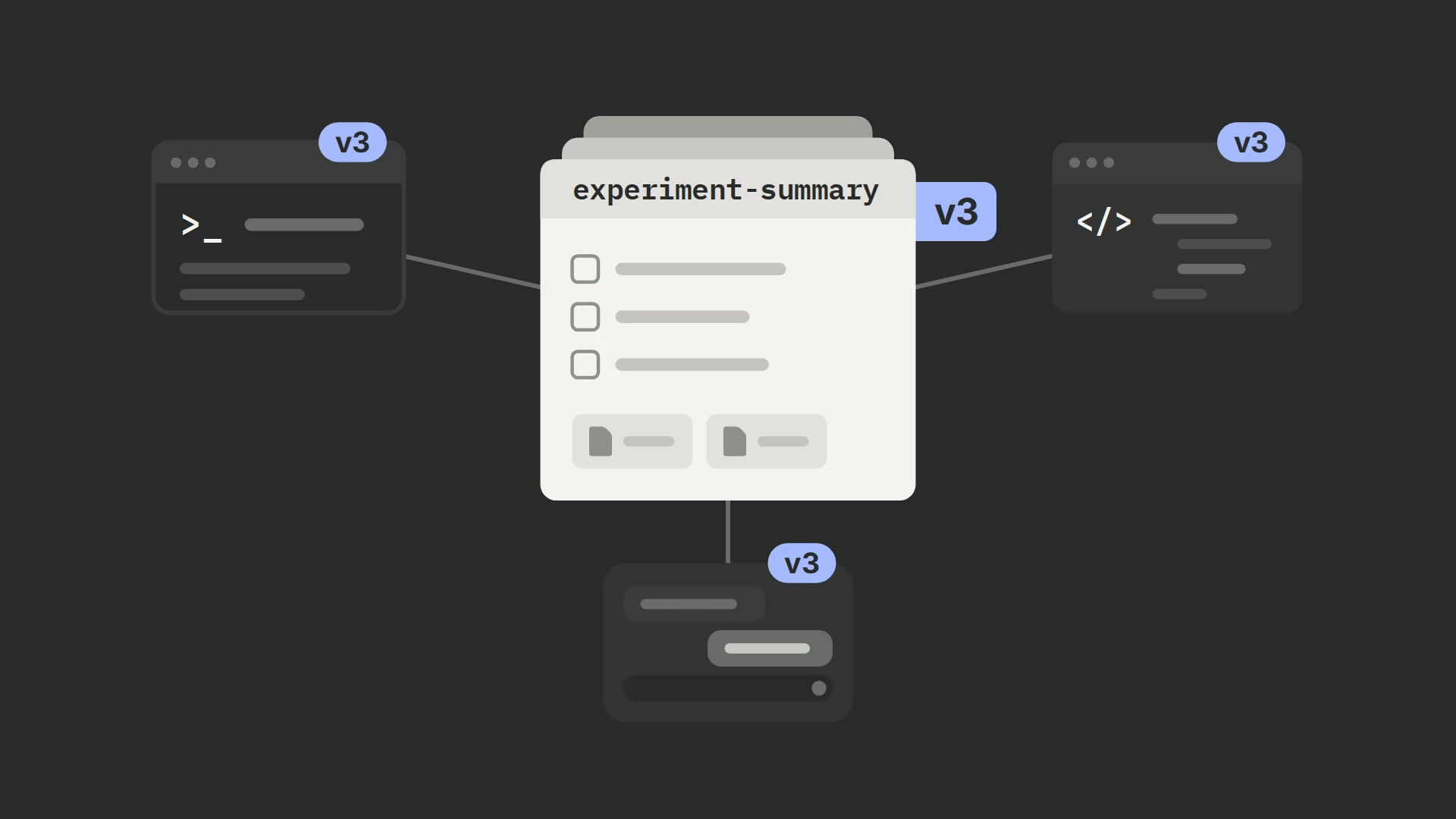
Read moreTurn repeated analytics and implementation workflows into versioned skills that agents can discover and fetch on demand, with bundled files and update safeguards instead of copied prompts.
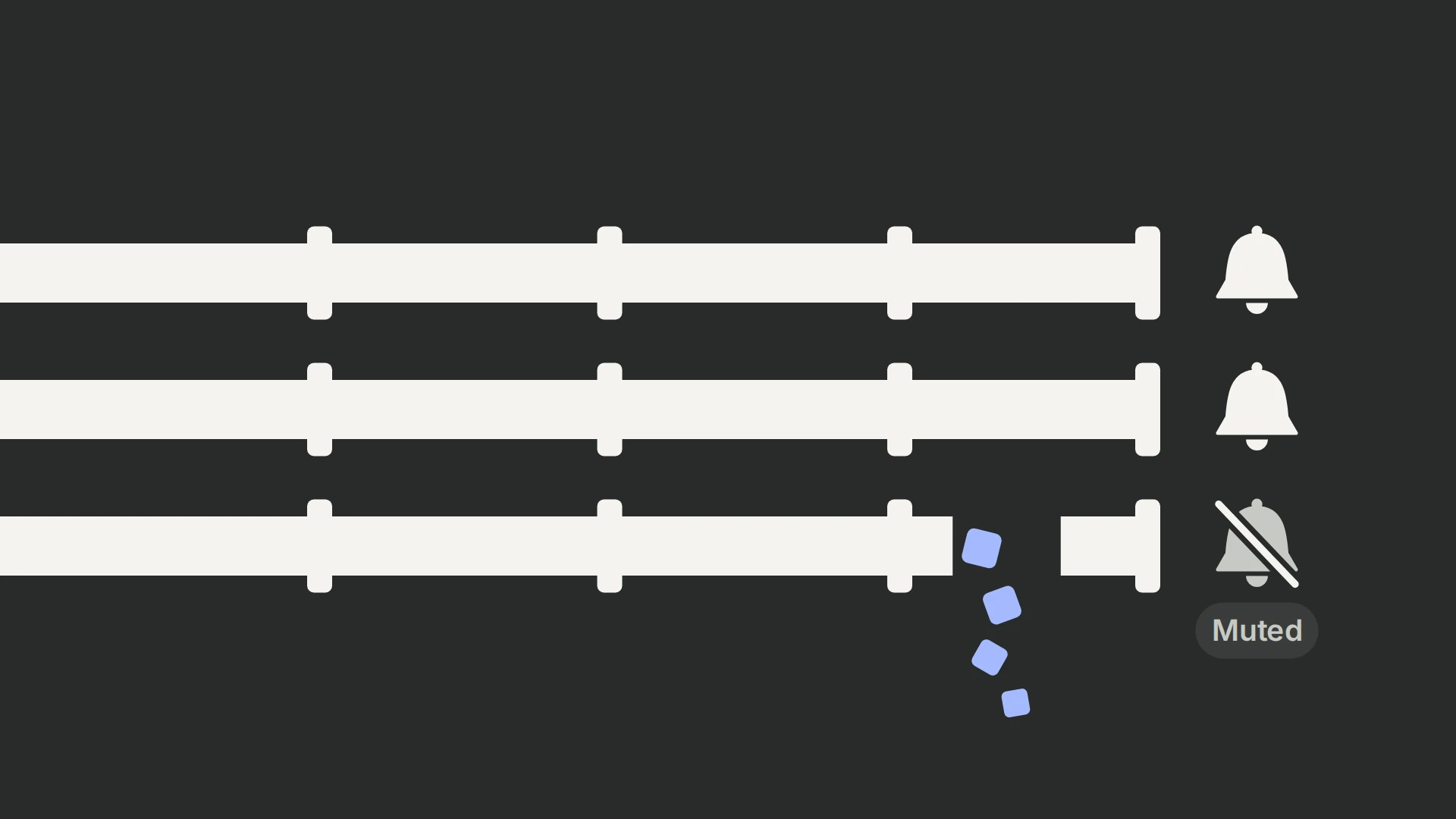
Read moreDestinations, transformations, batch exports, and legacy integrations can be muted individually. Use that control to reduce alert fatigue—not to hide broken pipelines.
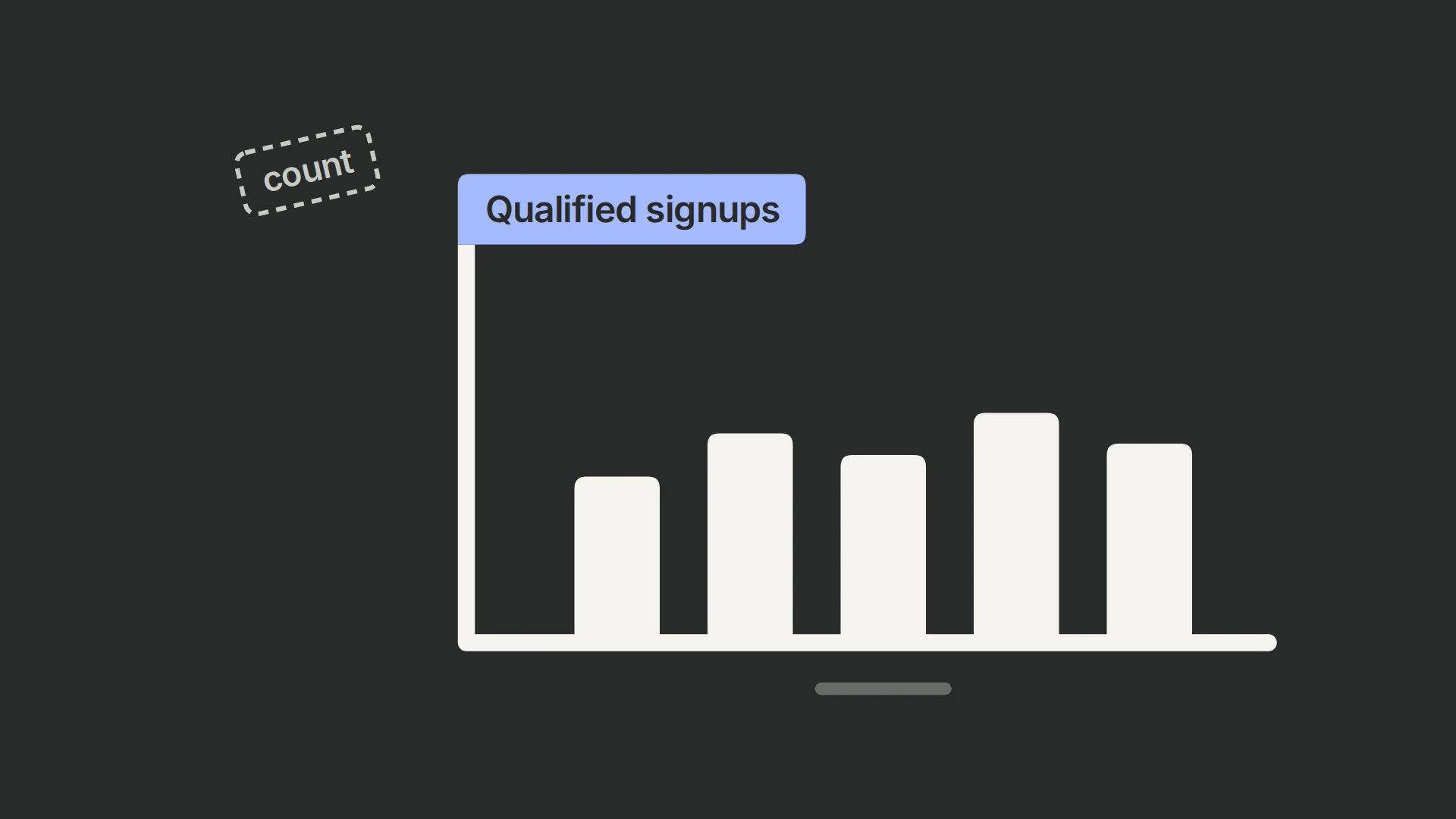
Read moreRename line and bar chart axes in business terms, but keep labels tied to the underlying metric definition; clearer wording changes presentation, not measurement.
Read morePostHog misses Snap’s mixed-case click ID, and the default Event ID needs a source edit for Pixel deduplication. Fix both before sending live conversions.
Read moreNew experiments inherit the environment default. Project admins can change it; use a per-experiment override when a different lift would change the decision.
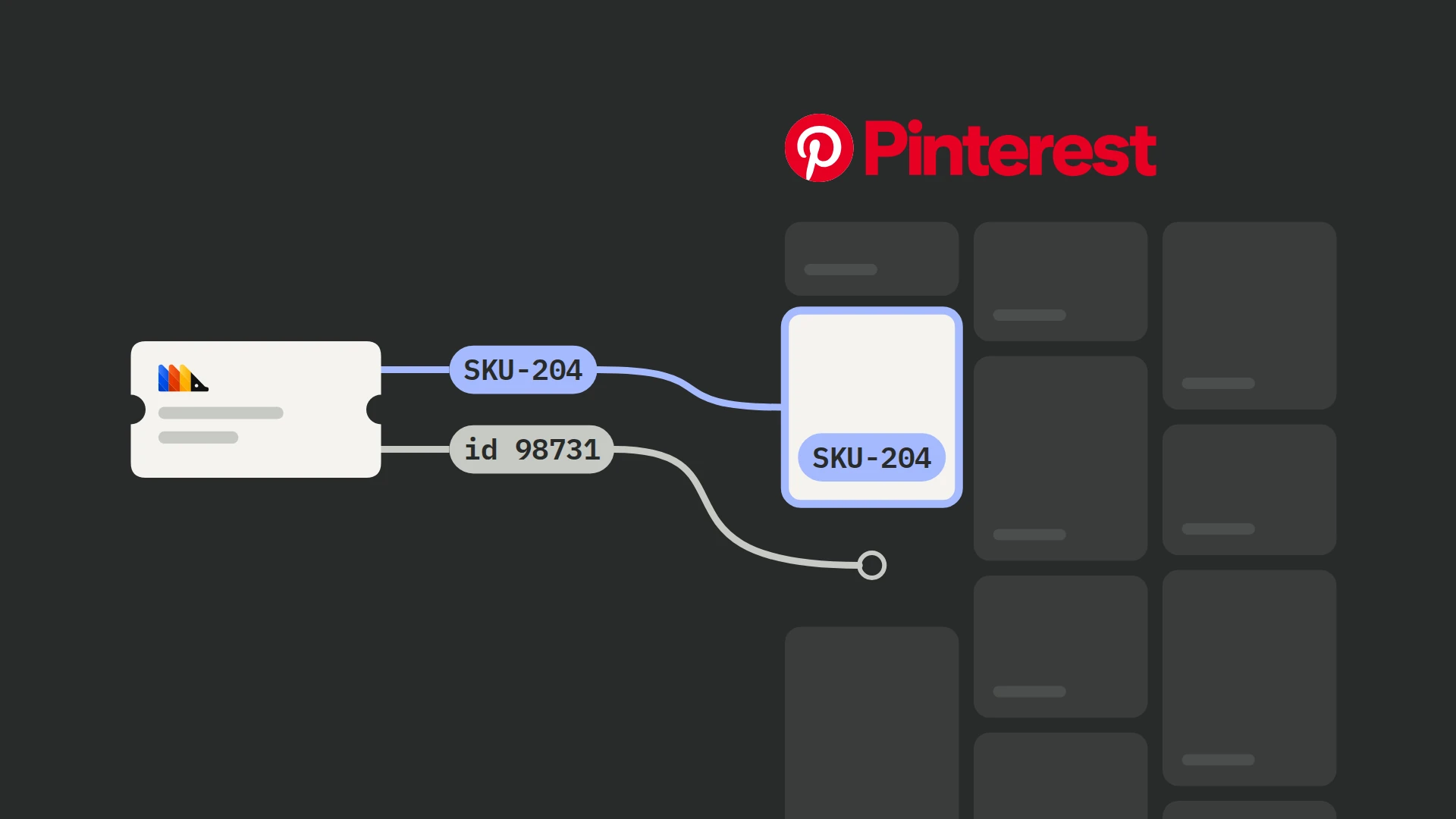
Read moreSend PostHog purchases and leads to Pinterest, match catalog product IDs, and prevent duplicate Pixel events. Test the native destination before enabling it.
Read moreTracking often breaks after funnel, checkout, CRM, or ad-account changes. Retest the exact customer path and reconcile individual sales against one chosen revenue source.
Read moreClick a funnel step to inspect the people who advanced or left, then see whether drop-off clusters in a segment without switching to user-based aggregation.
Read more