PostHog vs Segment: Analyst’s Guide
If the gap is understanding behavior and running tests, PostHog fits; if it is governing and routing customer data across tools, Segment fits. Some teams use both.
Read moreArticles, experiments and case studies from 99Ways.
If the gap is understanding behavior and running tests, PostHog fits; if it is governing and routing customer data across tools, Segment fits. Some teams use both.
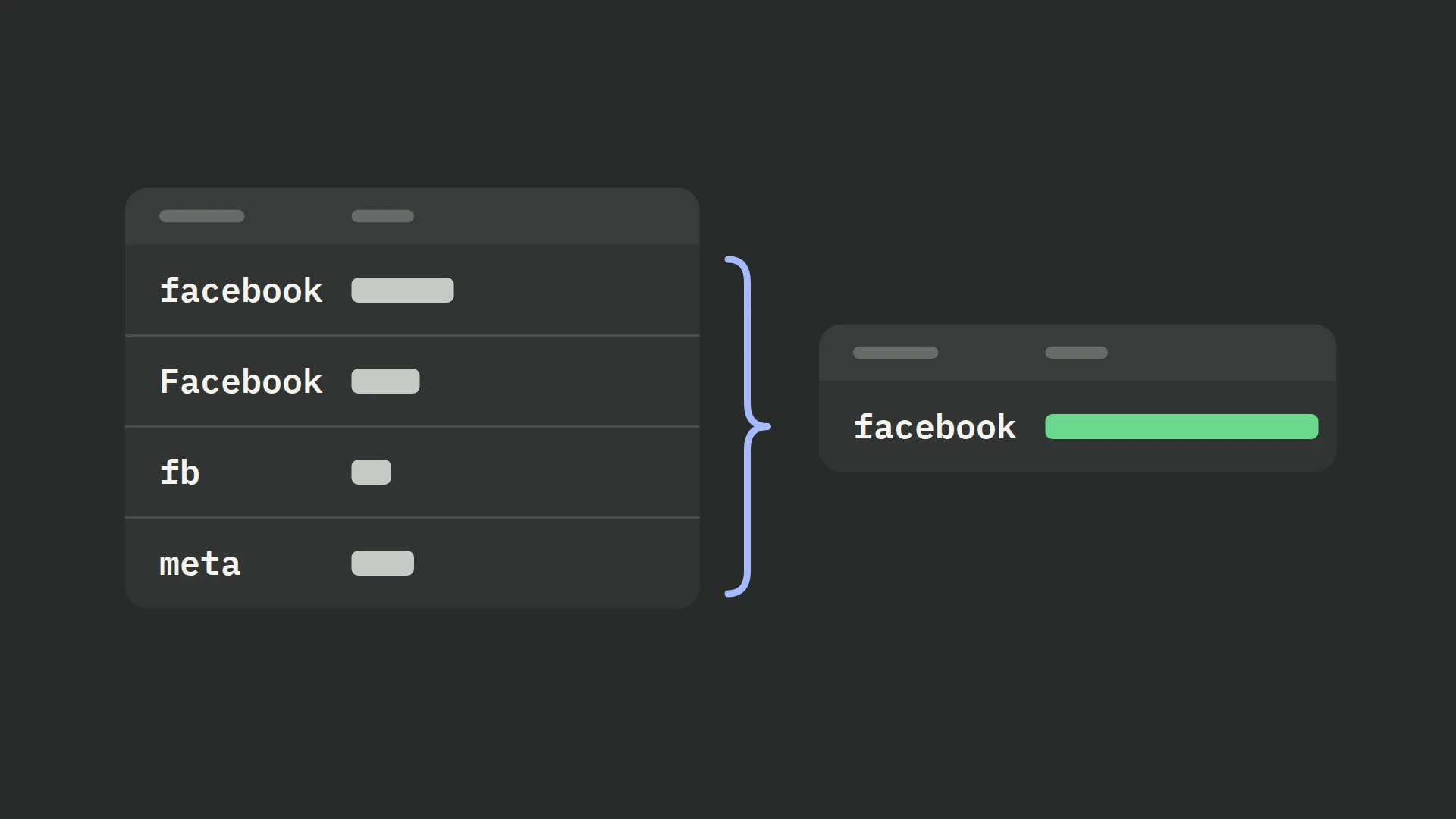
Read moreA filtered pageview transformation copies a real client $ip to the current person property and sets $initial_ip only once; it affects new events, not existing profiles.
Read moreThe useful hiring test is whether a provider can reconcile customer journeys and revenue against your CRM or checkout, not merely install scripts and make pixels fire.
Read moreAsk candidates for a sample tracking plan, QA evidence, and an experiment decision process; the handover should let your team audit and extend the setup independently.
Read moreReserve UTMs for incoming campaign links: tagging on-site links can overwrite the original source. Keep approved names in a shared registry and test attribution through conversion.
Read moreConvert each transaction at an explicit rate date, then reconcile refunds and duplicate IDs; for experiments, revenue per participant includes nonbuyers, unlike average order value.
Read moreChoose a code manager for flexible browser tracking or a dedicated plugin for easier setup and WooCommerce events; Zapier alone cannot provide replay or autocapture.
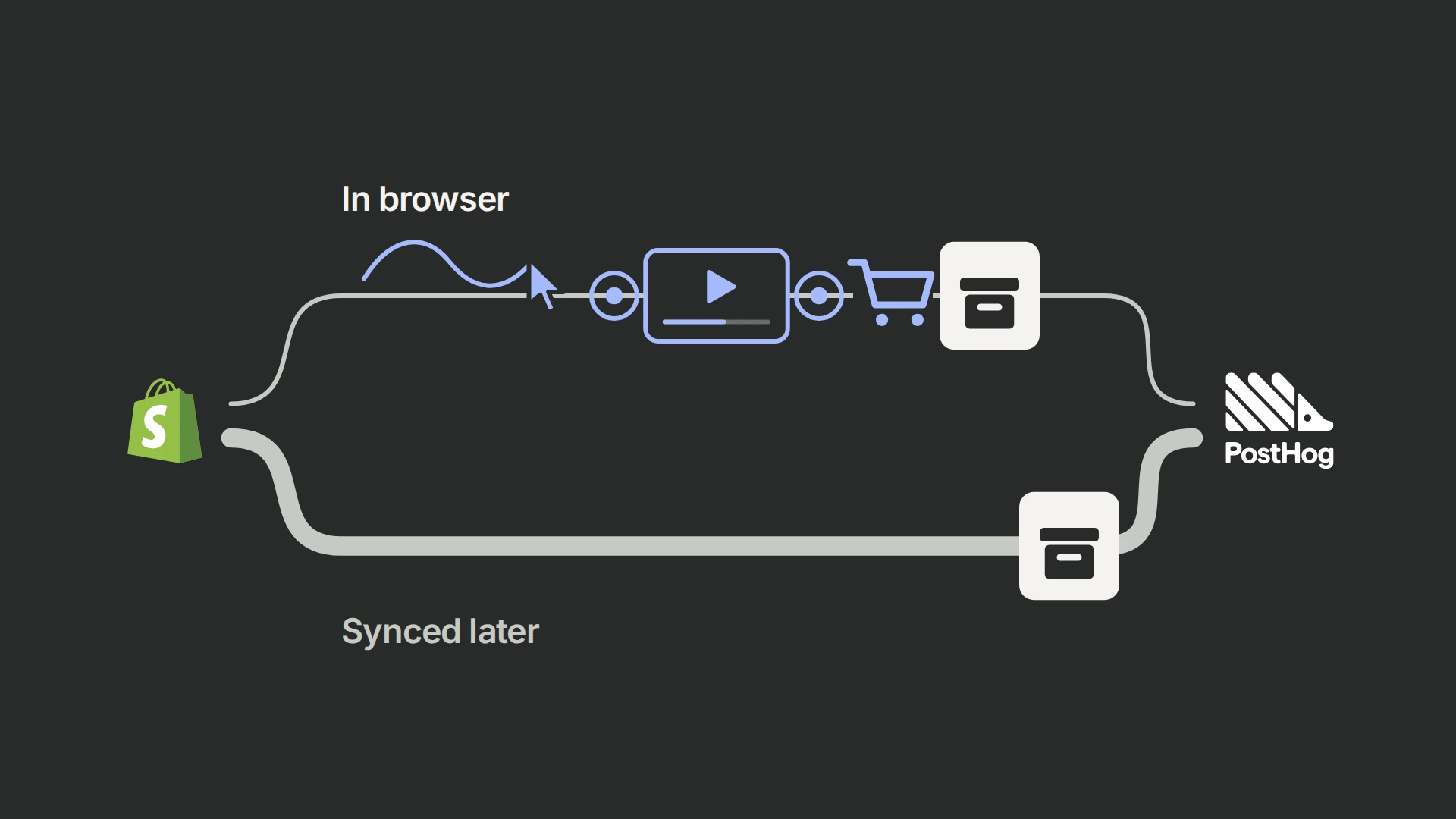
Read moreA storefront snippet or app covers replay and browser behavior, while Customer Events or Web Pixels cover checkout; verify both layers and avoid duplicate purchase events.
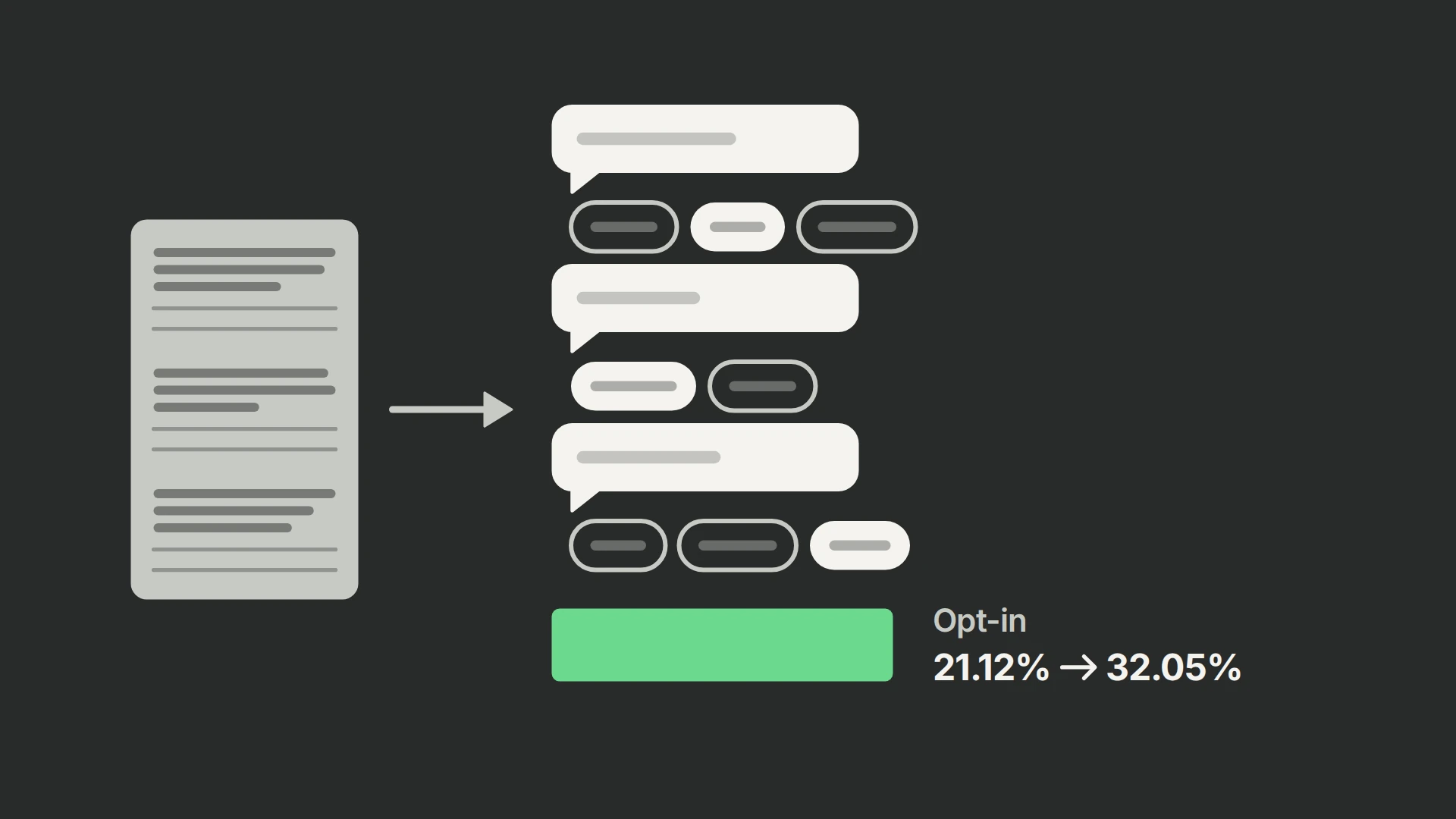
Read moreShorter questions, quick answer choices, and conversational wording replaced a longer, problem-focused form; the changes were tested as one package.
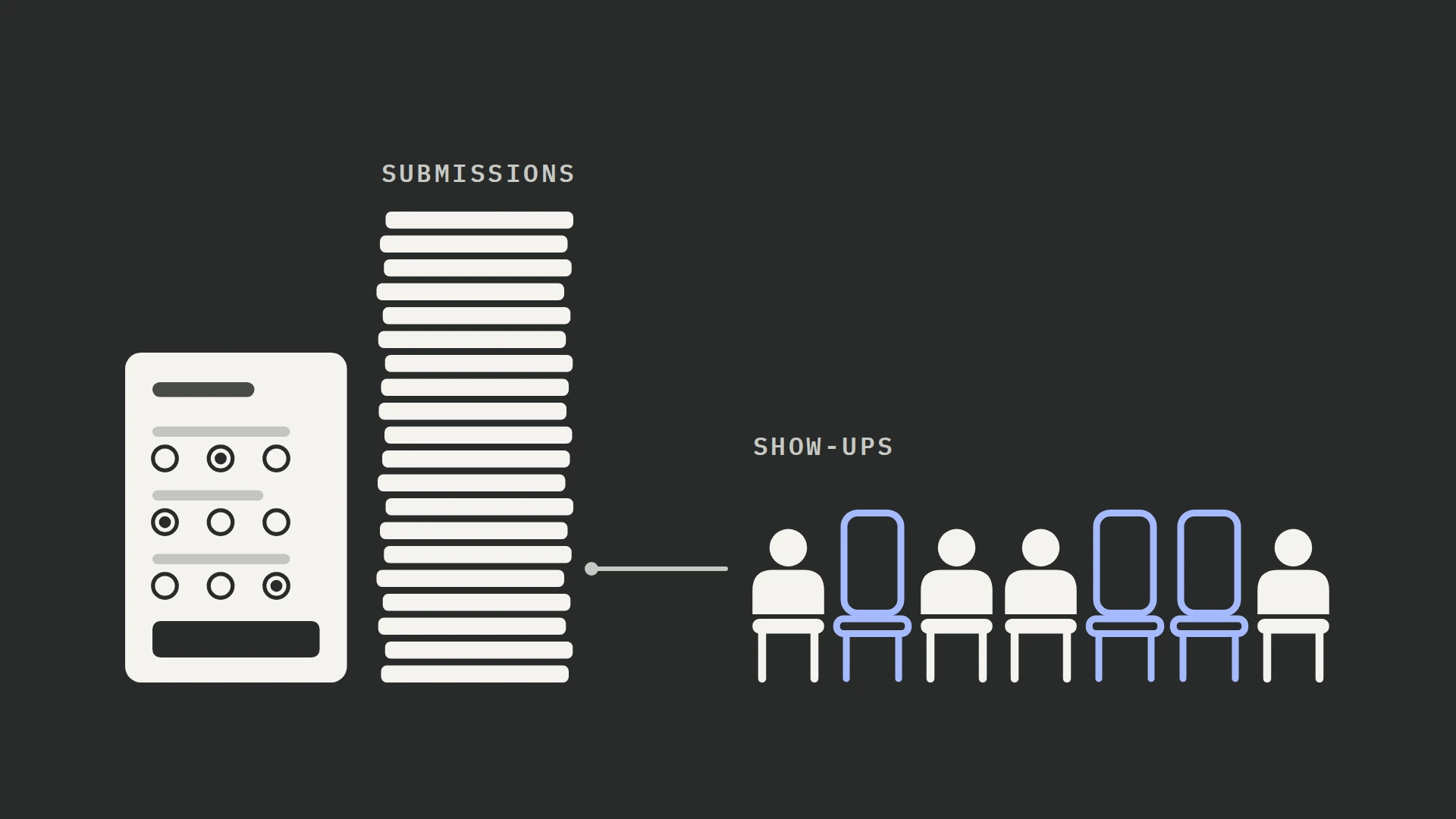
Read moreTwo tests raised submissions by simplifying forms, yet qualification, attendance, or purchase signals worsened. Keep questions that change routing or follow-up and measure outcomes per assigned visitor.
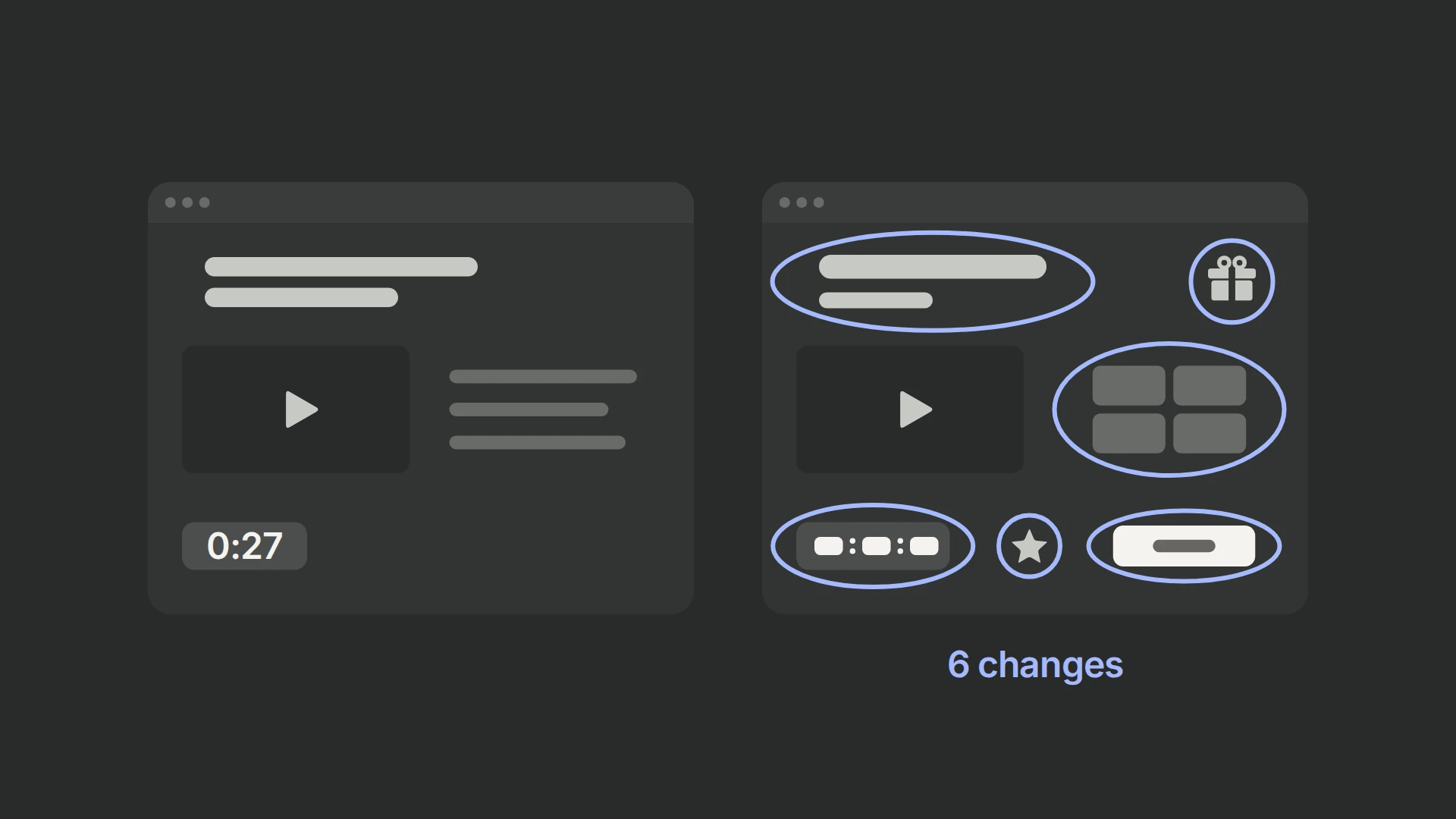
Read moreThe default 27-second automatic start led both alternatives on reported applications and enrollments; the manual-entry variant also changed layout and copy.
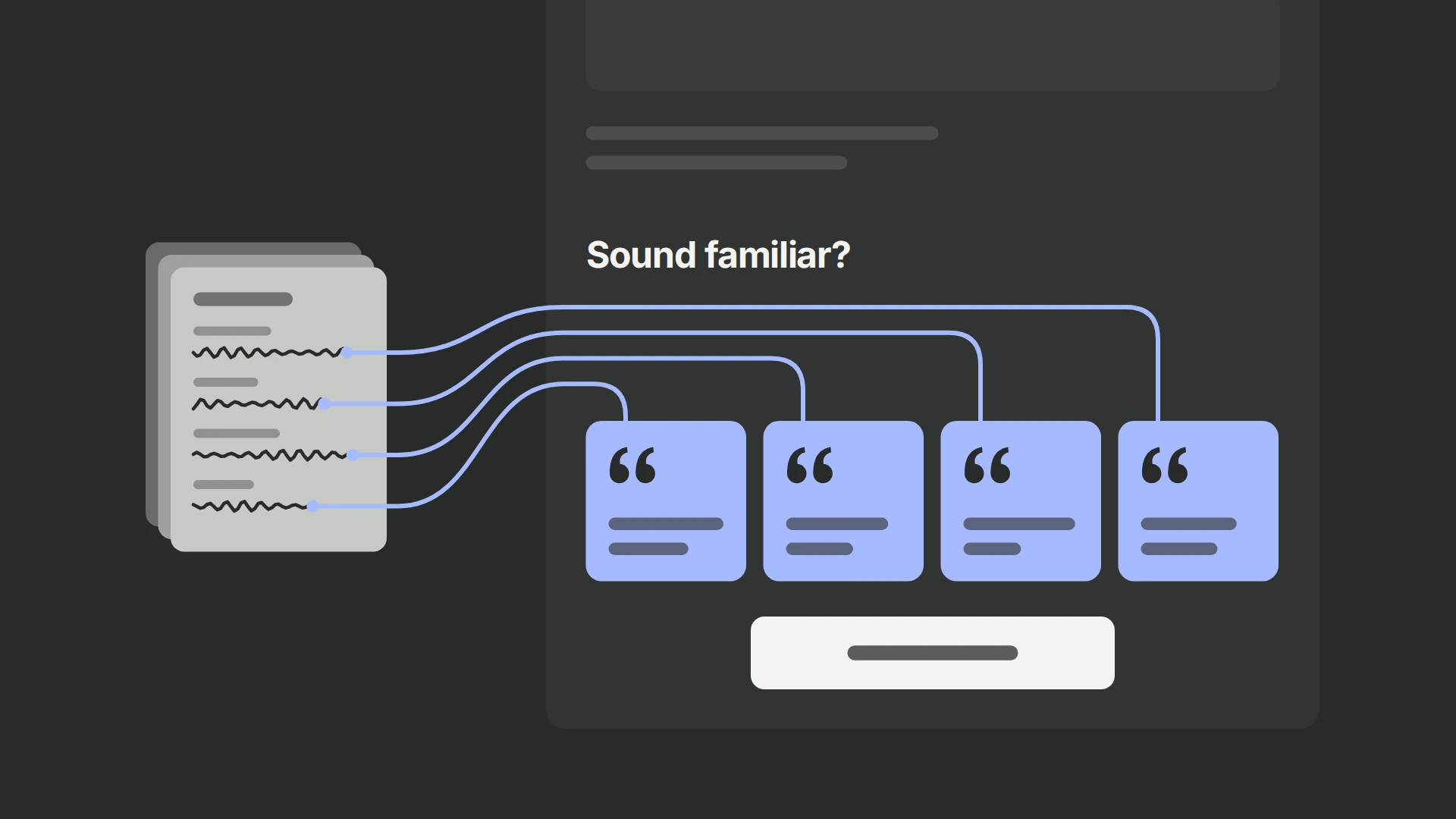
Read moreA section built from applicants’ own language had the highest observed rates just before the final CTA, but the primary lift missed the article’s significance threshold.
Read more